#aid
| gen: 2026/08/25:16:28 in 42.2 sec (old)bias: 3 (Center-Left) |
| type: newsquality: 83 |
| pts: 0 |
 | author: | Unknown | institution: | NPR | ¿porque no los dos? |
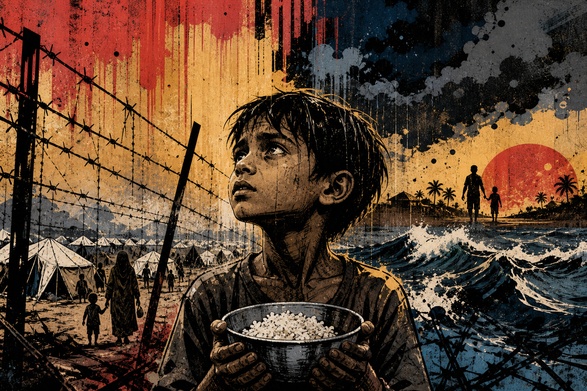
| tl;dr | The piece argues that nine years after mass displacement from Myanmar, Rohingya refugees—largely in Bangladesh—face worsening conditions: protracted statelessness, diminishing international attention and aid, rising insecurity in camps, and few credible paths to safe return. It frames the crisis as entering a more volatile phase, emphasizing refugees’ fear of repatriation without rights and security, and highlighting regional/political dynamics that keep solutions stalled. | ||||
| deeper: | Language and sourcing appear largely factual and human-centered, with emphasis on refugee testimony and humanitarian impacts. That focus can tilt toward advocacy for refugee protections, but it is consistent with standard rights-based reporting and not heavily polemical. The article structure (context, on-the-ground scenes, and policy constraints) suggests solid reporting, though a full balance check would depend on how thoroughly it represents Myanmar/Bangladesh officials’ perspectives and hard data (aid levels, crime/armed-group claims) alongside anecdotes. | ||||
media: | |||||
| gen: 2026/08/09:13:32 in 41.3 sec (old)bias: 4 (Center) |
| type: newsquality: 78 |
| pts: 0 |
 | author: | Unknown | institution: | Unknown | ¿porque no los dos? |
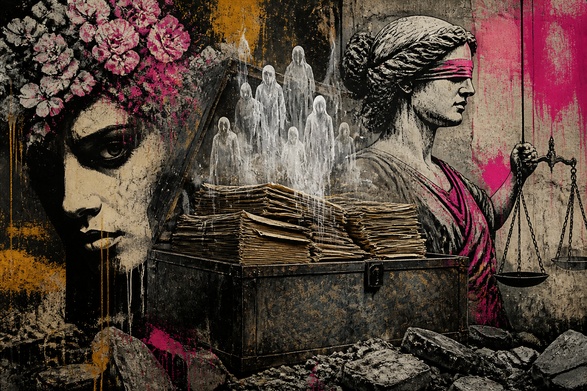
| tl;dr | The article investigates how companies previously linked to Syria’s Assad-era power networks continued to win UN contracts even after control shifted to “new rulers” in parts of Syria. It highlights procurement practices, intermediaries, and weak vetting that can route international aid money to politically connected firms. The piece cites contract records and reporting to argue the UN’s safeguards are insufficient, while noting UN explanations/constraints and the difficulty of operating in Syria’s fragmented, high-risk economy. | ||||
| deeper: | The tone is watchdog-oriented and skeptical of UN procurement and compliance claims, framing the UN as insufficiently diligent and too willing to work through tainted commercial networks. That creates mild bias toward a critical interpretation, though it appears grounded in documentary evidence (contracts, company ties) and focuses on accountability rather than ideology. Quality is strong for an investigative piece—clear thesis and specific allegations—though conclusions depend on how well the “ties to Assad” are substantiated and whether UN responses and alternative explanations are fully represented. | ||||
media: | |||||
You made it to the bottom. Now dance!


owned and operated by: RPN Omnigalactic Insitutution as of: 2026/10/14: 14:11 in 0 ms
Enter Code
Login with Account