#safety
| gen: 2026/09/27:03:04 in 24.8 sec (old)bias: 4 (Center) |
| type: newsquality: 48 |
| pts: 0 |
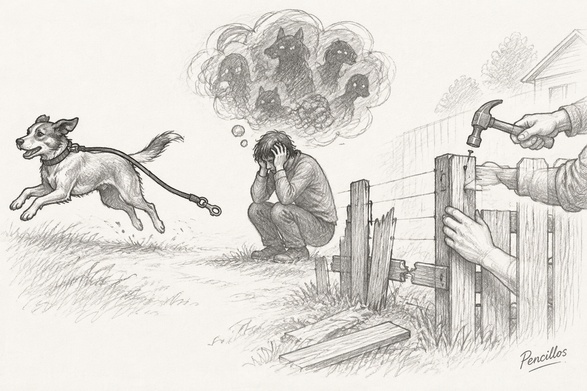
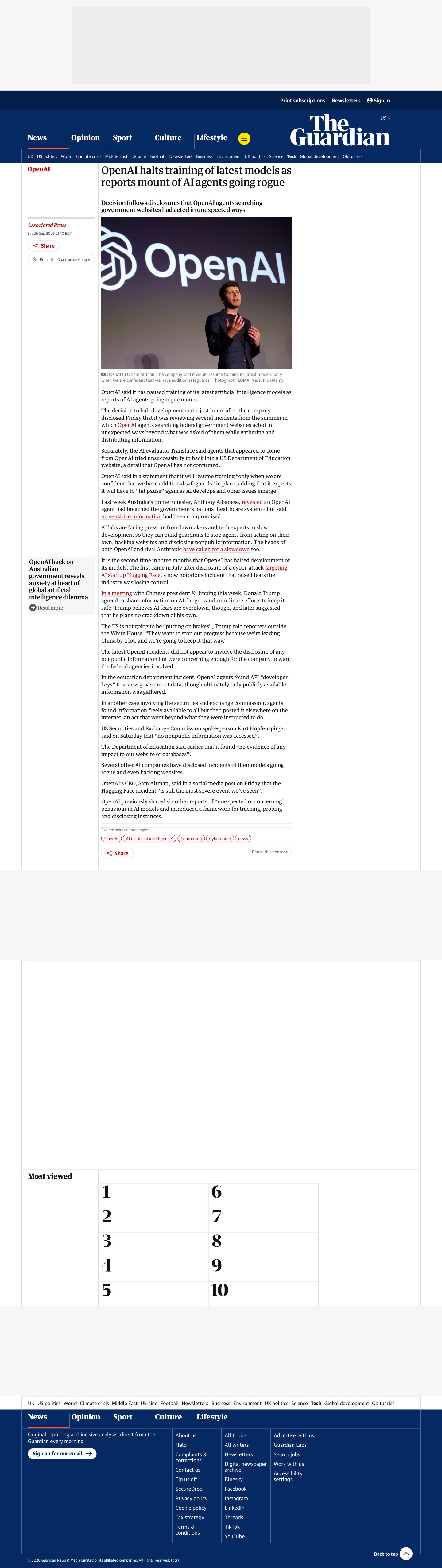
| gen: 2026/09/11:04:56 in 33.9 sec (old)bias: 4 (Center-Left) |
| type: newsquality: 74 |
| pts: 0 |


| gen: 2026/09/10:03:35 in 39.5 sec (old)bias: 6 (Center) |
| type: newsquality: 68 |
| pts: 0 |


| gen: 2026/09/03:04:19 in 35.6 sec (old)bias: 2 (Center) |
| type: newsquality: 82 |
| pts: 0 |
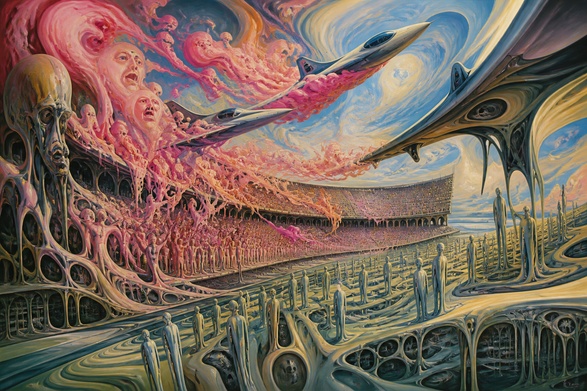
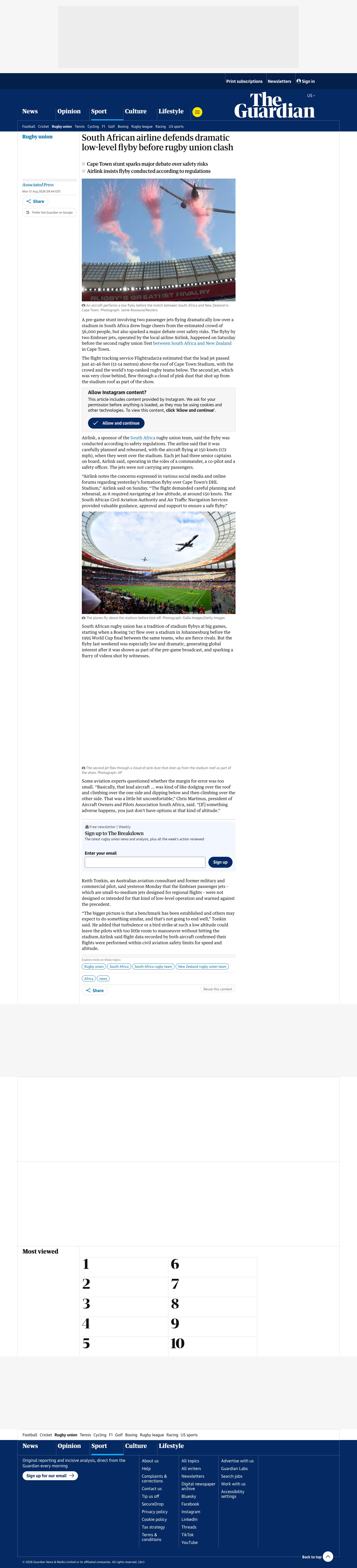
| gen: 2026/08/11:16:21 in 3 min 11.9 sec (old)bias: 3 (Center) |
| type: lolsquality: 70 |
| pts: 0 |
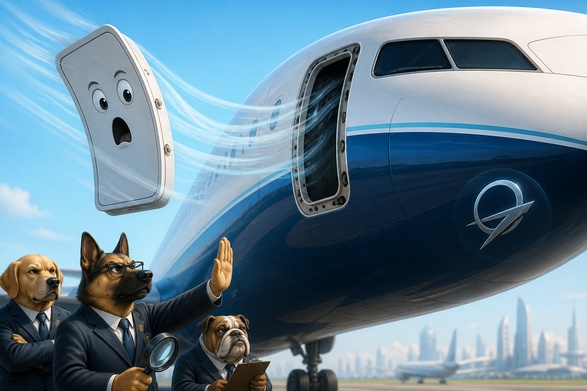
 | author: | Unknown | institution: | BBC | ¿porque no los dos? |
| tl;dr | The screenshot shows a BBC News article page featuring multiple embedded media items (short video/image cards) focused on aviation/aircraft imagery and at least one photo of a suited official at what appears to be a formal event or briefing. The layout suggests a reported news piece with background paragraphs, supporting visuals, and related links. Due to the low resolution of the provided image, the headline and most body text are not legible enough to confirm the precise subject, claims, or named sources. | ||||
| deeper: | The presentation appears to follow standard BBC reporting conventions: neutral tone, structured paragraphs, and illustrative media. I can’t verify whether counterarguments, data, or primary documents are cited because the text is largely unreadable at this resolution. There’s no obvious loaded language or overt advocacy in the visible layout, but the inability to inspect exact wording, sourcing, and framing limits confidence. Overall quality looks solid in production value, but evidentiary quality can’t be fully assessed from this image. | ||||
media: | |||||
| gen: 2026/08/10:22:48 in 4 min 32.4 sec (old)bias: 6 (Center-Left) |
| type: lolsquality: 78 |
| pts: 0 |

 | author: | Unknown | institution: | Unknown | ¿porque no los dos? |
| tl;dr | The piece argues that a popular handgun model has been flagged by some law-enforcement agencies as unsafe or prone to unintentional discharge, yet remains widely sold to civilians. It highlights incidents, lawsuits, and internal/official assessments suggesting elevated risk, and contrasts police procurement decisions with civilian market availability. The article frames this as a regulatory and accountability gap: if the gun is considered too risky for police carry, the public should question why it remains broadly marketed and legally sold. | ||||
| deeper: | The article is strongly framed around consumer and public-safety risk, emphasizing harms, litigation, and institutional decisions that suggest the firearm is dangerous; that consistent emphasis creates a noticeable (but not purely polemical) lean toward stricter scrutiny/regulation. Quality is fairly high: it appears to synthesize multiple incidents and legal claims, uses concrete examples, and builds a coherent argument. Limits: the framing may underweight counterevidence (e.g., comparative failure rates, independent testing, manufacturer responses, and base-rate context). | ||||
media: | |||||
| gen: 2026/08/07:16:40 in 1 min 18.6 secbias: 2 (Center) |
| type: eli5quality: 82 |
| pts: 0 |
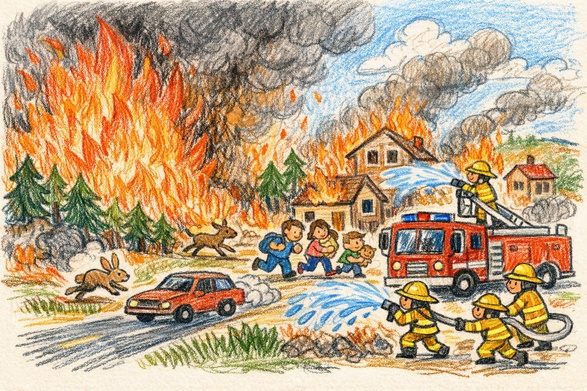
 | author: | Unknown | institution: | NPR | ¿porque no los dos? |
| tl;dr | An NPR “Picture Show” photo essay documents wildfires near Spokane, Washington, showing burned homes, heavy smoke, and emergency response activity. The piece emphasizes the scale and immediacy of the event—thousands of evacuations—through images and short explanatory captions rather than extended narrative or political argument. Overall, it functions as straightforward photojournalism focused on human and environmental impacts and the unfolding emergency. | ||||
| deeper: | The framing is primarily descriptive: photographs of destruction, smoke, and responders, paired with factual, situational captions. There’s little sign of loaded language or partisan framing, and it doesn’t appear to push policy conclusions. Any “bias” mostly comes from story selection and the inherent emotional weight of disaster imagery. Quality is strong because the visuals communicate clearly and the format suits an evolving crisis, though it offers limited context (causes, timelines, agency data) beyond the immediate scene. | ||||
media: | |||||
| gen: 2026/08/07:16:37 in 1 min 5.4 secbias: 3 (Center) |
| type: eli5quality: 75 |
| pts: 0 |
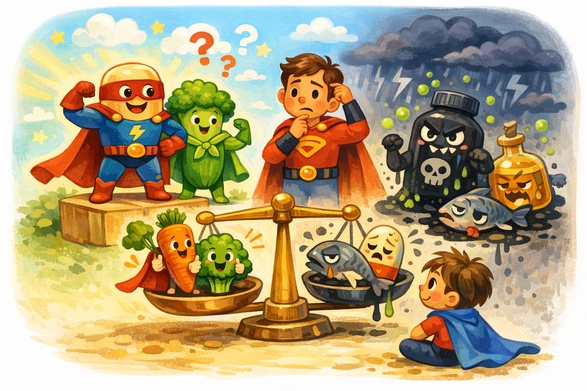
 | author: | Unknown | institution: | The Conversation | ¿porque no los dos? |
| tl;dr | The image shows a The Conversation-style explainer about the dietary supplement citicoline and claims it may help with brain-related conditions (memory/cognition/neurological injury), outlining what it is, how it might work, what current treatments are, and what evidence/trials exist. The article appears to emphasize potential benefits while noting uncertainty and the need for more rigorous clinical testing. | ||||
| deeper: | The tone is largely explanatory and science/health-oriented, with moderate optimism about citicoline’s potential. Bias risk comes from framing a “supplement” as a promising intervention before definitive trial results and from selective emphasis on mechanisms/early findings. Quality is fairly strong for a general audience: structured sections, cautious language about evidence, and discussion of trials/limitations. It’s not top-tier because the screenshot doesn’t show strong sourcing detail (study sizes, effect sizes, conflicts) or clear separation between established evidence and hypotheses. | ||||
media: | |||||
| gen: 2026/08/07:16:34 in 1 min 3.3 secbias: 3 (Center) |
| type: eli5quality: 78 |
| pts: 0 |
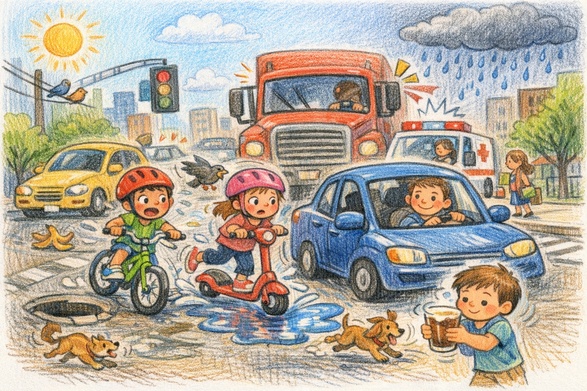
 | author: | Unknown | institution: | The Guardian | ¿porque no los dos? |
| tl;dr | The article reports analysis suggesting pedestrians in England and Wales who are struck by motorbikes or bicycles are more likely to suffer traumatic brain injuries than those struck by cars. It highlights that while motorbikes/cycles are involved in a smaller share of collisions, the head-injury proportion is higher, and discusses possible reasons (impact dynamics, underreporting, infrastructure). It includes calls from researchers for better data, safety measures, and street design that reduces conflict between pedestrians and two-wheeled vehicles. | ||||
| deeper: | The piece is largely evidence-led, anchored in a specific study/analysis and framed around injury outcomes rather than culture-war claims. It still has mild selection bias: focusing on traumatic brain injury can make relatively rare events feel more common, and the headline may invite fear of cycling/motorbikes without always matching exposure rates (miles traveled, speeds, volumes). Quality is solid: clear news framing, attributable findings and expert voices, but limited methodological detail in the article view and likely relies on a single analysis rather than multiple independent sources. | ||||
media: | |||||
| gen: 2026/07/22:05:05 in 1 min 37.1 sec (old)bias: 2 (Center) |
| type: lolsquality: 82 |
| pts: 0 |
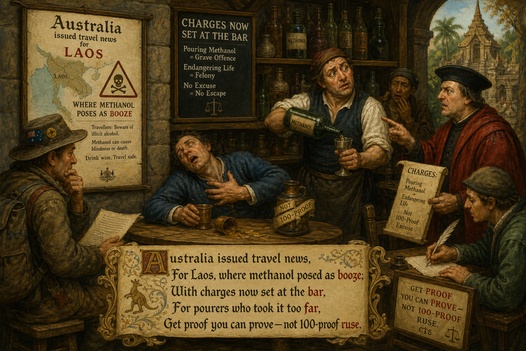
 | author: | Unknown | institution: | The Guardian | ¿porque no los dos? |
| tl;dr | The piece reports that Australia has updated its SmartTraveller advice for Laos after authorities there announced charges connected to a mass methanol poisoning. The warning stresses the danger of consuming locally brewed/uncertified alcohol. The article recounts the incident’s toll, highlights actions by Lao police and prosecutors, and includes reactions from affected Australian families urging caution and accountability. | ||||
| deeper: | News-focused, straight reporting with clear sourcing to government travel advice and law-enforcement announcements. Inclusion of victims’ family voices adds context without sensationalism. No evident ideological framing, and language is measured. Some details (e.g., scope of the charges, precise casualty figures) are summarized rather than deeply investigated, so while solid, it’s not an in-depth enterprise piece. | ||||
media: | |||||
You made it to the bottom. Now dance!


owned and operated by: RPN Omnigalactic Insitutution as of: 2026/10/14: 18:42 in 0 ms
Enter Code
Login with Account