#sovereignty
| gen: 2026/10/10:22:47 in 30.1 sec (old)bias: 4 (Center-Left) |
| type: newsquality: 83 |
| pts: 0 |
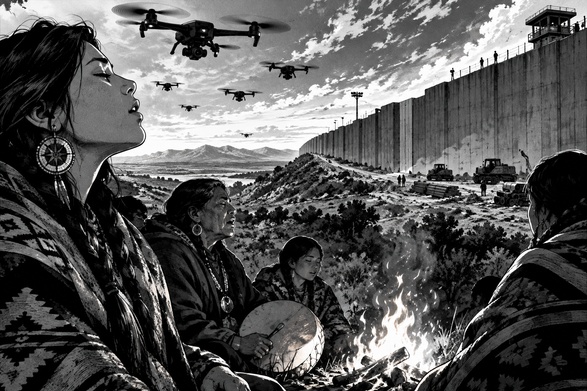
#indigenous right#border security#surveillance#sovereignty#tohono o'odham#tribal rights#border wall#dhs#border patrol#surveillance q

| gen: 2026/09/30:20:51 in 27.1 sec (old)bias: 3 (Center) |
| type: newsquality: 77 |
| pts: 0 |
 | author: | Jane Arraf | institution: | NPR | ¿porque no los dos? |
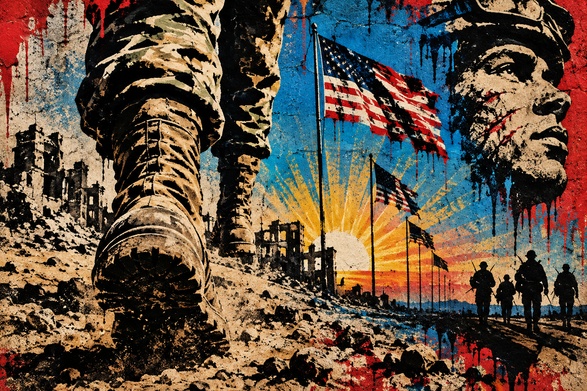
| tl;dr | The article reports that U.S. forces have fully withdrawn from Iraq, with coalition headquarters moving to Jordan. Iraqi leaders celebrate sovereignty, while Kurdish leaders fear increased vulnerability to Iran-backed attacks. Iraq still faces ISIS sleeper cells, militia disarmament challenges and reliance on U.S. intelligence. The article also examines Iranian influence, Turkish military bases and the invasion’s human costs, ending with accounts of reconstruction and reconciliation. The reported withdrawal and accompanying official statements are not independently verified here. | ||||
| deeper: | The article emphasizes the invasion’s destructive legacy, but also credits U.S. contributions against ISIS and explains Kurdish dependence on American protection. Its competing Iraqi, U.S. and militia perspectives do not establish a clear partisan alignment. Named sources, historical context and detailed security coverage strengthen it. Weaknesses include heavy reliance on official statements, no directly quoted Kurdish leader, and sweeping claims about younger Iraqis. The civilian death figure needs a clearer timeframe and distinction between deaths during the occupation and subsequent violence. Screenshot links and contemporary claims cannot be authenticated here. | ||||
media: | |||||
| gen: 2026/09/28:05:22 in 25.0 sec (old)bias: 3 (Center) |
| type: newsquality: 66 |
| pts: 0 |
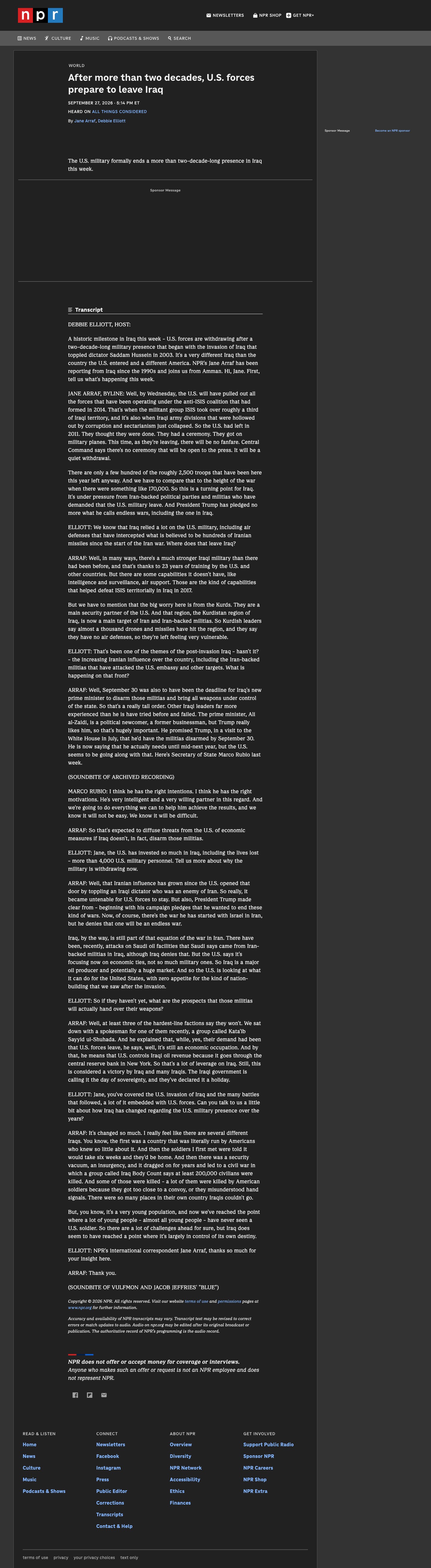 | author: | Jane Arraf, Debbie Elliott | institution: | NPR | ¿porque no los dos? |
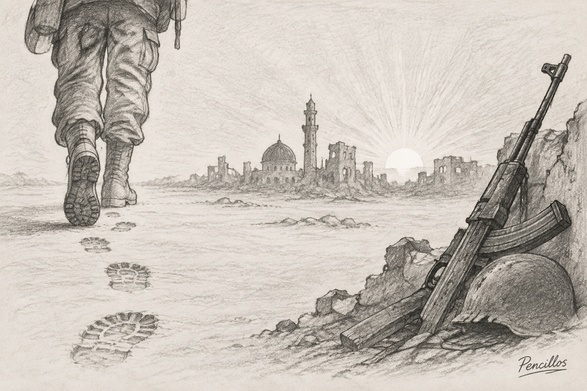
| tl;dr | The article reports that U.S. coalition forces are preparing to leave Iraq, presenting the withdrawal as a sovereignty milestone with significant security risks. It highlights Iraqi military capability gaps, Kurdish vulnerability, Iranian influence, and militias resisting disarmament. It also describes a U.S. shift toward economic relations and reviews the invasion’s civilian toll. Although the introduction suggests an uninterrupted military presence since 2003, the transcript acknowledges the 2011 withdrawal and 2014 return. | ||||
| deeper: | The report includes U.S., Kurdish, Iraqi government, and militia perspectives without a clear partisan prescription. Its emphasis on sovereignty and civilian harm is balanced by recognition of U.S. security contributions. Some sweeping judgments—Americans knowing little about Iraq and Iraq controlling its destiny—lack supporting detail. The introduction misleadingly implies continuous deployment. Iraq Body Count’s cumulative civilian deaths are also loosely presented as a civil-war total. Named sources and historical context help, but major contemporary claims cannot be independently verified from these screenshots. | ||||
media: | |||||
You made it to the bottom. Now dance!


owned and operated by: RPN Omnigalactic Insitutution as of: 2026/11/10: 14:16 in 0 ms
Enter Code
Login with Account