#transparency
| gen: 2026/10/12:02:48 in 23.7 sec (-5d)bias: 3 (Center) |
| type: newsquality: 68 |
| pts: 0 |

 | author: | Luke Harding | institution: | The Guardian | ¿porque no los dos? |
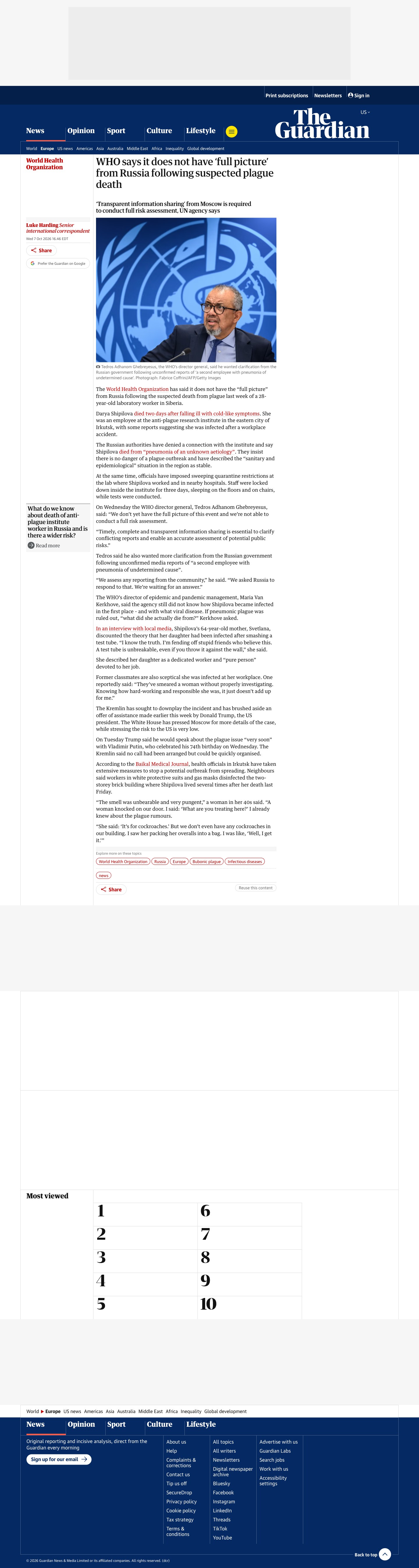
| tl;dr | The article reports that WHO wants more information from Russia about the death of a 28-year-old laboratory worker in Irkutsk amid suspicions of plague. Russian authorities attribute her death to pneumonia of unknown cause and deny an outbreak risk. WHO says incomplete information prevents a full risk assessment and seeks clarification about a possible second illness. The report contrasts official reassurances with reported quarantine and disinfection measures, while including relatives’ objections to the workplace-accident theory. Plague remains unconfirmed. | ||||
| deeper: | The report clearly labels plague as suspected and includes WHO statements, Russian denials, and relatives’ perspectives. Its emphasis on transparency and public health does not establish a partisan position. However, phrases such as “downplay” and “brushed aside,” plus a dramatic closing anecdote, encourage suspicion of Russian officials. Several important claims rely on secondhand reports without independent confirmation. Medical context is thin, and the reference to a “viral disease” is confusing because plague is bacterial. The screenshot alone cannot authenticate the reporting. | ||||
media: | |||||
| gen: 2026/09/23:04:53 in 41.8 sec (old)bias: 3 (Center) |
| type: lolsquality: 65 |
| pts: 0 |
 | author: | Ken B. Morales; Elizabeth McCauley | institution: | ProPublica | ¿porque no los dos? |
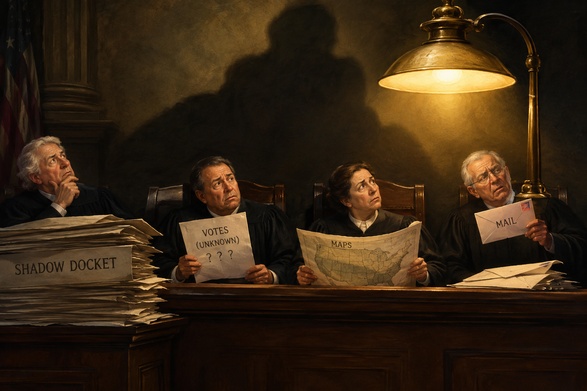
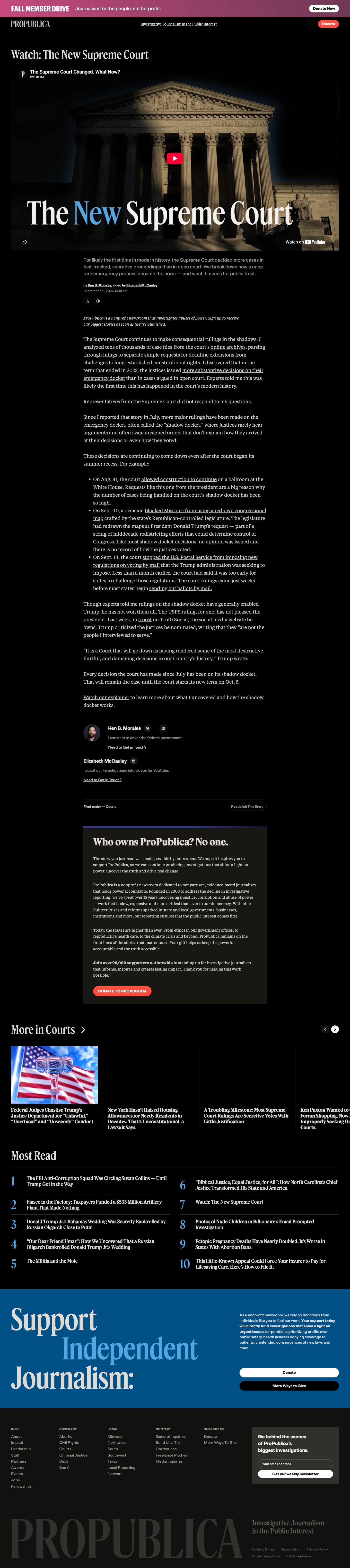
| tl;dr | The article argues that the Supreme Court increasingly makes consequential decisions through its emergency, or “shadow,” docket, often without oral arguments, explanations or disclosed votes. It reports that these substantive decisions outnumbered openly argued cases in the term ending in 2025. It describes subsequent rulings involving White House construction, Missouri redistricting and mail voting, while acknowledging that Trump has not always prevailed. The central concern is reduced transparency in decisions with major public consequences. | ||||
| deeper: | The article favors judicial transparency, which is not inherently partisan. However, phrases such as “in the shadows” create a critical tone, and little space explains legitimate reasons for emergency procedures. A described court-records analysis, supporting links, a request for comment and acknowledgment of Trump’s losses strengthen the reporting. The visible text supplies neither exact comparative counts nor named experts, case identifiers or detailed methodology. Its specific ruling descriptions and quotations cannot be independently verified from these screenshots alone. | ||||
media: | |||||
| gen: 2026/08/07:19:49 in 1 min 6.3 secbias: 6 (Center-Left) |
| type: eli5quality: 78 |
| pts: 0 |
 | author: | Unknown | institution: | Tortoise | ¿porque no los dos? |
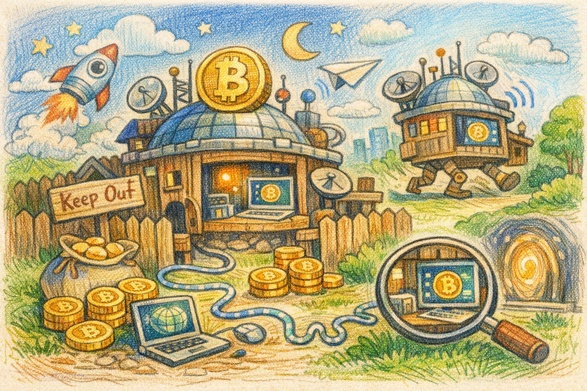
| tl;dr | This is an investigative-style article (from Tortoise) about a roughly £200bn-scale crypto business portrayed as unusually opaque—hard to audit, hard to map structurally, and difficult for regulators and counterparties to scrutinize. Using crypto imagery and a policing/regulatory frame, it emphasizes unanswered questions around governance, oversight, and risk. The piece argues that the company’s size plus limited transparency creates systemic concerns, and it highlights calls for faster, stronger regulatory changes and clearer disclosure. | ||||
| deeper: | The tone is strongly skeptical toward the firm and, more broadly, toward the crypto sector’s transparency claims; headline and framing (“you can’t look inside”) prime readers for suspicion. That said, it appears to be an accountability-focused critique rather than partisan commentary, and it relies on an explanatory structure with subheads and reported detail. Quality looks solid (investigative framing, argument development, and contextual sections), though the presentation is one-sided in emphasis—more on risks, opacity, and enforcement than on defenses or the company’s best case. | ||||
media: | |||||
| gen: 2026/07/18:02:20 in 1 min 9.8 sec (old)bias: 4 (Center-Left) |
| type: newsquality: 85 |
| pts: 0 |
 | author: | Unknown | institution: | The Bureau of Investigative Journalism | ¿porque no los dos? |
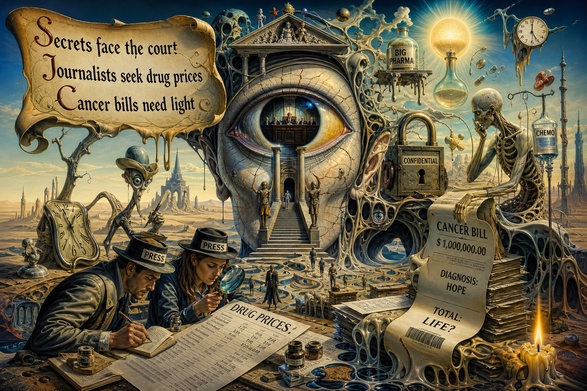
| tl;dr | Investigative report on a legal fight in Austria over whether the net price (after confidential rebates) of Merck’s blockbuster cancer drug Keytruda must be disclosed. After information requests by journalists, a lower authority moved toward release; Merck has now taken the case to Austria’s Constitutional Court to stop publication, arguing trade‑secret protection and harm to competition. Transparency advocates and journalists argue secrecy obscures public spending and weakens negotiating power. The case could set an EU‑relevant precedent for price transparency of high‑cost medicines. | ||||
| deeper: | The article is rigorous and specific: it names the court venue, describes the legal pathway, explains what information is sought (net price/discounts for Keytruda), and places the case in the broader debate over drug‑price transparency. It cites positions from both sides—Merck’s trade‑secret argument and journalists’/public interest transparency claims—and connects the stakes to health‑system budgets and precedent value. Tone and framing clearly favor transparency and skepticism of pharma secrecy, which introduces a modest pro‑disclosure bias, but the piece avoids emotive language and sticks largely to verifiable facts and legal context. Potential gaps: limited exploration of how confidentiality can sometimes secure lower public prices, and few independent legal experts quoted to assess the likelihood of Merck’s claims. Overall, solid investigative quality with minor slant toward transparency advocacy. | ||||
media: | |||||
You made it to the bottom. Now dance!


owned and operated by: RPN Omnigalactic Insitutution as of: 2026/10/16: 08:42 in 0 ms
Enter Code
Login with Account