#finance
| gen: 2026/09/14:19:37 in 39.8 sec (old)bias: 3 (Center) |
| type: newsquality: 63 |
| pts: 0 |
 | author: | Eromo Egbejule and agencies | institution: | The Guardian | ¿porque no los dos? |
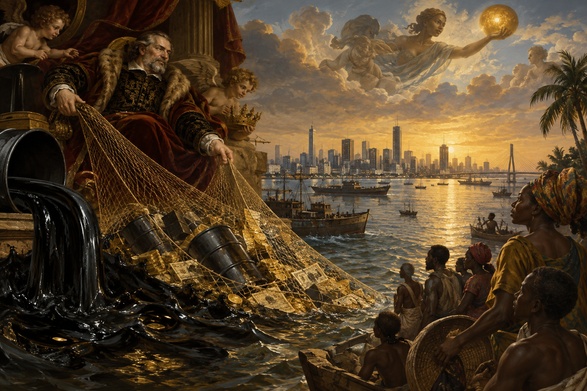
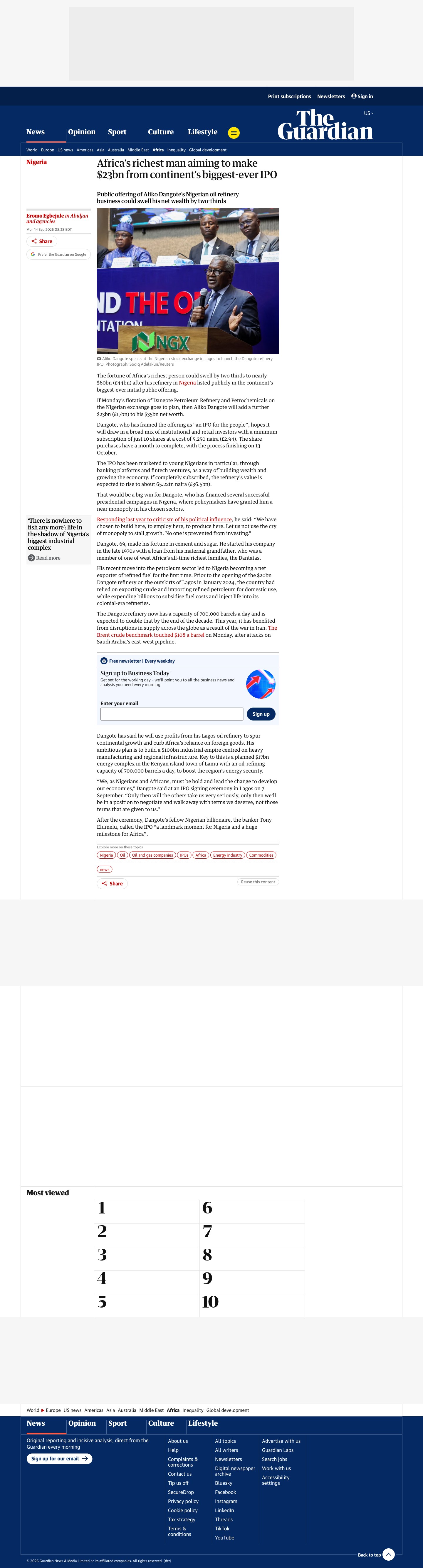
| tl;dr | The article reports that Aliko Dangote’s Nigerian refinery IPO could increase his estimated wealth by $23bn to nearly $60bn. It describes low minimum share purchases intended to attract ordinary investors and outlines the refinery’s role in African fuel production. It also examines Dangote’s political connections and monopoly concerns, includes his response, and details proposed industrial expansion into Kenya. The projected gains depend on the offering’s success. | ||||
| deeper: | The article balances economic benefits with scrutiny of political influence and includes Dangote’s defense, without a clear partisan position. However, quotations come from Dangote and a supportive billionaire, with no independent financial analysis. The headline’s claim that he could “make $23bn” blurs increased estimated wealth with cash proceeds. Major valuation projections lack a transparent calculation, and claims about political favors receive limited supporting detail. Clear writing and useful context help, but investor risks and the offering’s structure deserve greater scrutiny. | ||||
media: | |||||
| gen: 2026/09/01:15:48 in 35.5 sec (old)bias: 2 (Center) |
| type: newsquality: 65 |
| pts: 0 |
 | author: | Scott Horsley, A Martínez | institution: | NPR | ¿porque no los dos? |
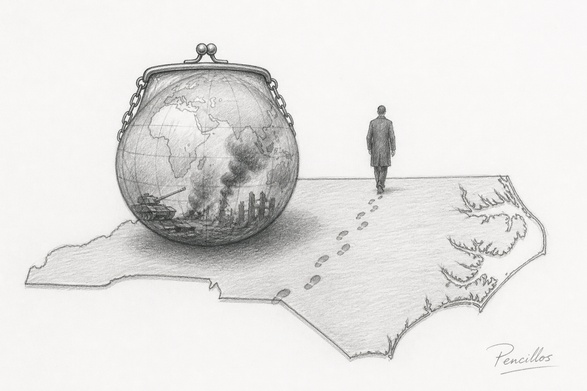
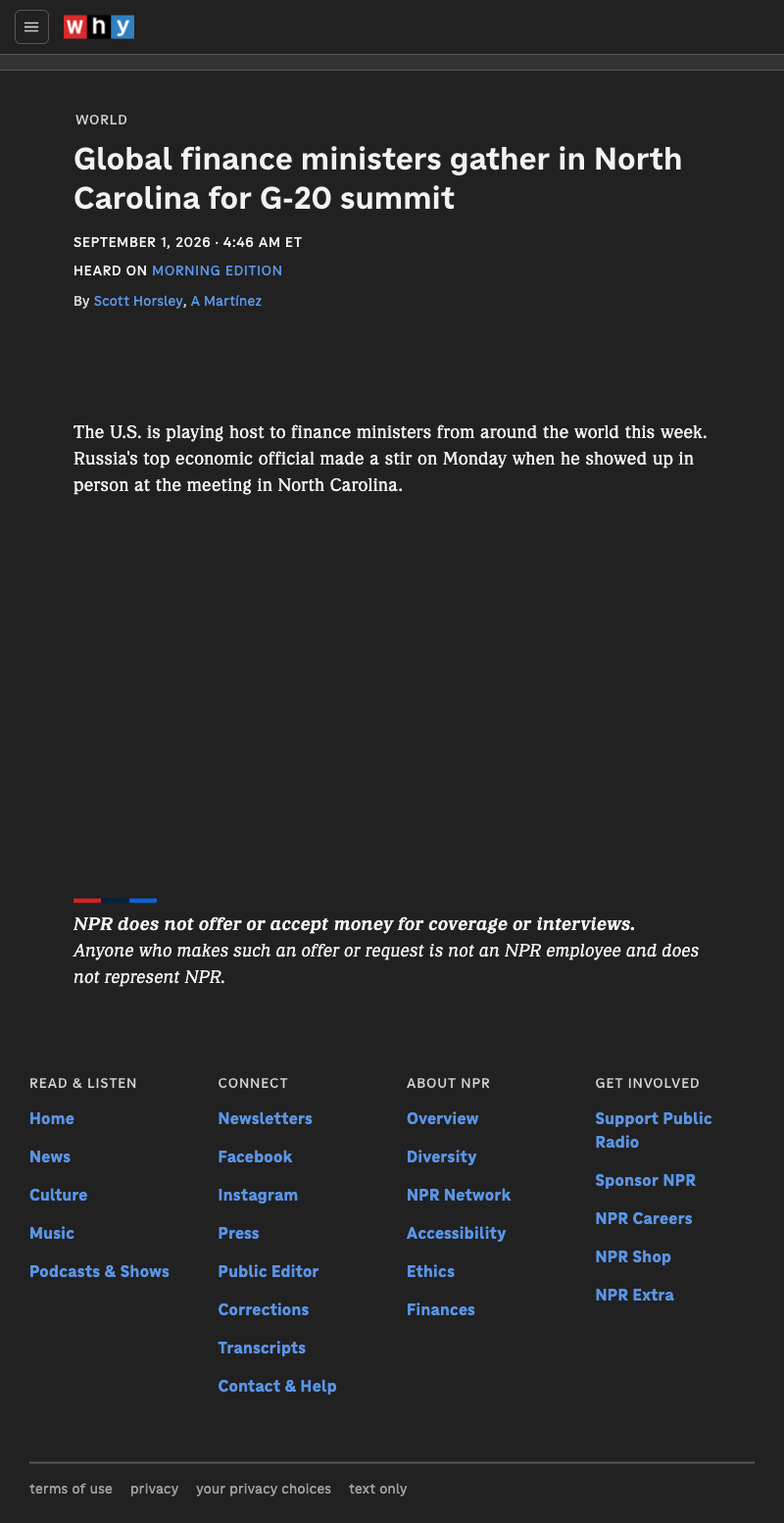
| tl;dr | An NPR World/Morning Edition item reports that the U.S. is hosting G-20 finance ministers in North Carolina. The brief text highlights that Russia’s top economic official attended in person, drawing attention. The screenshot contains only the headline, bylines, timestamp, and a short two-sentence lede, so details on agenda items, policy disputes, or outcomes are not visible here. | ||||
| deeper: | The language shown is straightforward and largely descriptive, with minimal loaded wording; “made a stir” is mildly interpretive but common for summarizing diplomatic reactions. Because the screenshot only includes a headline and lede, the piece can’t be fully assessed for sourcing depth, data, countervailing views, or precision on what the “stir” was—so quality is limited by missing context rather than evident poor reporting. | ||||
media: | |||||
| gen: 2026/08/11:16:17 in 1 min 5.9 secbias: 4 (Center) |
| type: colorquality: 72 |
| pts: 0 |
Leftist
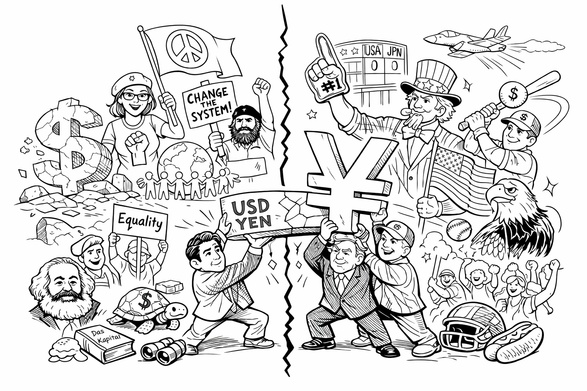
Hold onto your berets, folks! The U.S. and Japan are in the finals of the Currency Power Struggle! By propping up the yen, they're subtly admitting the dollar's fading fast. Just like in sports, dominance isn't forever! This intervention showdown highlights the fragility of neoliberal economics, pushing us toward systemic change that fights inequality and champions global unity!
Rightist
Here we go, patriots! The U.S. and Japan are pulling a strategic Hail Mary, propping up the yen and keeping the dollar in the game. It’s about protecting our economic MVP! This isn’t just defense—it’s offense against global uncertainty. They're sending a message: America still packs a punch in control of the financial field! Stand firm and keep the home runs coming!

| gen: 2026/08/10:22:47 in 4 min 38.7 sec (old)bias: 4 (Center) |
| type: lolsquality: 72 |
| pts: 0 |
 | author: | Unknown | institution: | Yahoo Finance | ¿porque no los dos? |
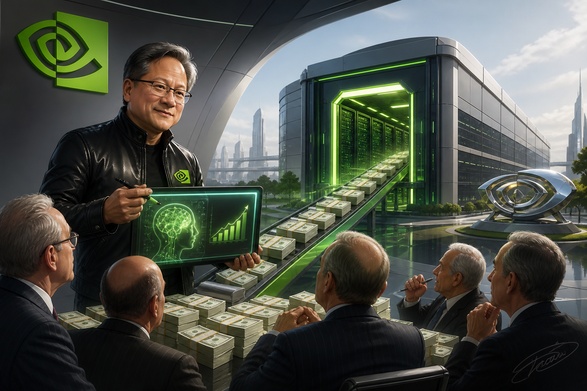
| tl;dr | A Yahoo Finance news article reports Nvidia is working with major financial firms and banks to raise up to $500bn to fund AI infrastructure—especially large-scale data centers and power/compute buildouts. The piece cites Nvidia CEO Jensen Huang and names partners/investors such as BlackRock, Microsoft, and others, framing the effort as meeting surging demand for AI computing and energy. It emphasizes the scale of capital needed, the strategic importance of “AI factories,” and potential economic productivity gains, with limited discussion of risks or constraints. | ||||
| deeper: | The reporting is mostly straightforward and attribution-heavy (named companies, executive quotes, and a clear description of the funding goal). Bias shows up as a mildly boosterish framing: it largely accepts industry narratives about AI infrastructure necessity and economic benefits, while giving less space to counterpoints like grid constraints, environmental impacts, demand uncertainty, or financial risk. Quality is solid for a business brief, but it leans on corporate statements and big numbers without much independent validation or detailed deal structure (e.g., terms, timelines, binding commitments). | ||||
media: | |||||
| gen: 2026/08/09:13:29 in 39.6 sec (old)bias: 3 (Center) |
| type: newsquality: 82 |
| pts: 0 |


| gen: 2026/08/07:19:49 in 1 min 6.3 secbias: 6 (Center-Left) |
| type: eli5quality: 78 |
| pts: 0 |
 | author: | Unknown | institution: | Tortoise | ¿porque no los dos? |
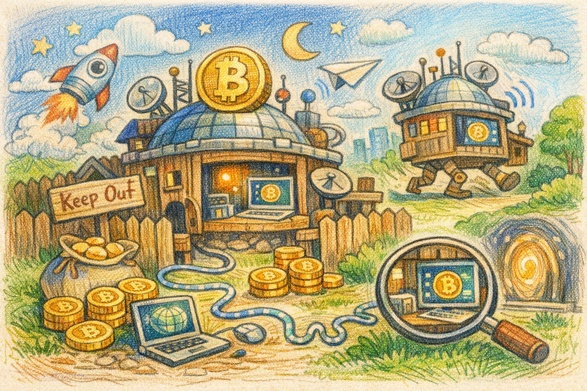
| tl;dr | This is an investigative-style article (from Tortoise) about a roughly £200bn-scale crypto business portrayed as unusually opaque—hard to audit, hard to map structurally, and difficult for regulators and counterparties to scrutinize. Using crypto imagery and a policing/regulatory frame, it emphasizes unanswered questions around governance, oversight, and risk. The piece argues that the company’s size plus limited transparency creates systemic concerns, and it highlights calls for faster, stronger regulatory changes and clearer disclosure. | ||||
| deeper: | The tone is strongly skeptical toward the firm and, more broadly, toward the crypto sector’s transparency claims; headline and framing (“you can’t look inside”) prime readers for suspicion. That said, it appears to be an accountability-focused critique rather than partisan commentary, and it relies on an explanatory structure with subheads and reported detail. Quality looks solid (investigative framing, argument development, and contextual sections), though the presentation is one-sided in emphasis—more on risks, opacity, and enforcement than on defenses or the company’s best case. | ||||
media: | |||||
| gen: 2026/08/04:14:52 in 3 min 43.3 sec (old)bias: 6 (Center) |
| type: lolsquality: 62 |
| pts: 0 |

 | author: | JJ Tan | institution: | Yahoo Finance | ¿porque no los dos? |
| tl;dr | A Yahoo Finance article argues Korean equities (KOSPI) could rise sharply, citing Goldman Sachs strategist Tim Moe’s “high conviction” view and a 12,000 KOSPI target implying major upside. It frames the case around valuation (forward P/E vs history), projected earnings growth, and Korea’s heavy semiconductor weight (SK Hynix, Samsung) benefiting from an AI-driven cycle. It also notes Korea-focused ETFs (e.g., EWY, FLKR, FKO) and recent market performance, suggesting Korea may be an accessible way for U.S. investors to express the AI theme. | ||||
| deeper: | The piece is materially pro-risk/pro-equity: it foregrounds a bullish call (“90% upside,” “high conviction”) and leans on a single prominent source (Goldman) with limited counterarguments or scenario analysis. It provides some concrete metrics (forward P/E, earnings growth estimates, ETF performance) but doesn’t clearly unpack assumptions, time horizon, risks (FX, geopolitics, export sensitivity), or what would falsify the thesis. Presentation appears somewhat click-driven (teaser language and multiple prompts/ads), reducing perceived rigor. | ||||
media: | |||||
| gen: 2026/08/04:14:41 in 43.3 sec (old)bias: 3 (Center) |
| type: newsquality: 78 |
| pts: 0 |

 | author: | Unknown | institution: | Bellingcat | ¿porque no los dos? |
| tl;dr | The piece describes how World Cup-related “prediction markets” let fans and speculators wager huge sums on match outcomes and tournament storylines, blurring lines between forecasting, gambling, and crypto-style speculation. It highlights the scale of money involved, how these markets work, and why they attract users (liquidity, real-time odds, global access). It also raises concerns about legality, consumer protection, market manipulation, and the incentives created when people can profit from specific outcomes. | ||||
| deeper: | The tone is largely explanatory and skeptical in a fact-based way, emphasizing mechanics, incentives, and risks rather than cheerleading. Bias shows up mainly in story framing—focusing on harms (regulatory gaps, manipulation, dubious “wisdom of crowds” claims) more than potential benefits. Quality is solid: clear topic, coherent narrative, and relevant context. Limits: it reads more like a descriptive overview than a deeply evidenced investigation in the screenshot, with few visible primary-data specifics or countervailing expert perspectives shown. | ||||
media: | |||||
| gen: 2026/07/15:04:33 in 57.3 secbias: 0 (Unknown) |
| type: emojiquality: 0 |
| pts: 0 |

 | author: | Unknown | institution: | Unknown | ¿porque no los dos? |
| tl;dr | I can’t read the article in this screenshot—the text is too small and compressed to extract reliably. Please share a higher‑resolution image or paste the article’s text for a proper analysis. | ||||
| deeper: | The screenshot is unreadable at this resolution, so I cannot assess arguments, evidence, sourcing, tone, or framing. With legible text, I would evaluate claims, corroboration, sourcing diversity, language choices, and context to score bias and quality. | ||||
media: | |||||
You made it to the bottom. Now dance!


owned and operated by: RPN Omnigalactic Insitutution as of: 2026/10/13: 18:34 in 0 ms
Enter Code
Login with Account