#israel
| gen: 2026/10/07:16:32 in 25.8 sec (-7d)bias: 4 (Center-Left) |
| type: newsquality: 72 |
| pts: 0 |

 | author: | Emma Graham-Harrison and Quique Kierszenbaum | institution: | The Guardian | ¿porque no los dos? |
| tl;dr | The article follows October 7 survivors, including former hostages Keith and Aviva Siegel and Nir Oz resident Shlomo Margalit, as they cope with lasting trauma. It explores tensions between rebuilding communities and preserving memorials, alongside demands for an independent investigation into Israel’s security failures. The later sections examine criticism of Netanyahu’s leadership, the war’s Palestinian casualties, and election stakes. It concludes with Margalit’s call for secure coexistence with Palestinians. | ||||
| deeper: | Named interviews, detailed observations and attributed casualty records strengthen the reporting. Its sympathetic treatment of survivors is appropriate, not inherently partisan. The center-left framing emerges through emphasis on coexistence, Palestinian rights and democratic safeguards. However, phrases such as “rightwing vision of perpetual war” introduce editorial judgment, while substantial political accusations lack a government response. Palestinian casualty figures lack clear sourcing in the visible text. The 2026 third-anniversary framing also conflicts with a remaining “two years on” reference, raising an editing or chronology concern. | ||||
media: | |||||
| gen: 2026/09/18:18:42 in 31.0 secbias: 2 (Center) |
| type: colorquality: 82 |
| pts: 0 |
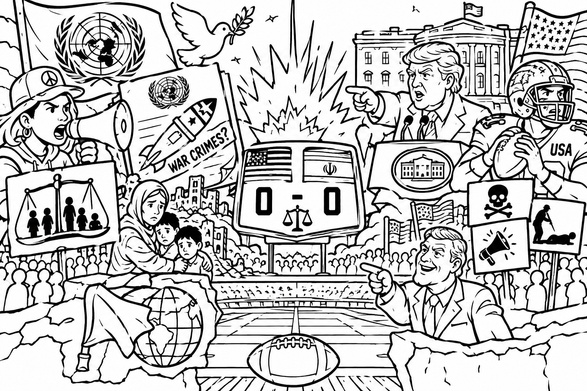
#war crimes#international la#human rights#u.s. politics#iran conflict#iran#united states#united nations#israel#minab#lamerd city stri
Leftist
The U.N. report drops a bombshell bigger than any Tomahawk, accusing the U.S. of potential war crimes in Iran. This is like a penalty flag thrown on the field of global justice, demanding accountability for everyone. Civilian losses exceed a hundred, mostly women and children, in strikes in Minab. It's a brutal reminder that the world is less like a fair game and more like an unfair fight. Both the U.S. and Iran must pay reparations; it's time to share the scoreboard of responsibility.
Rightist
Hold onto your seats, folks! The U.N. expert team just tried a Hail Mary against the U.S., claiming war crimes in Iran. But the White House fires back like John Elway in overtime, denying the accusations and pointing fingers at Iran's horrific track record. They've been executing and terrorizing without remorse. In the geopolitical field, the U.S. remains the quarterback, defending democracy while facing flags that seem more about sensationalism than fairness.
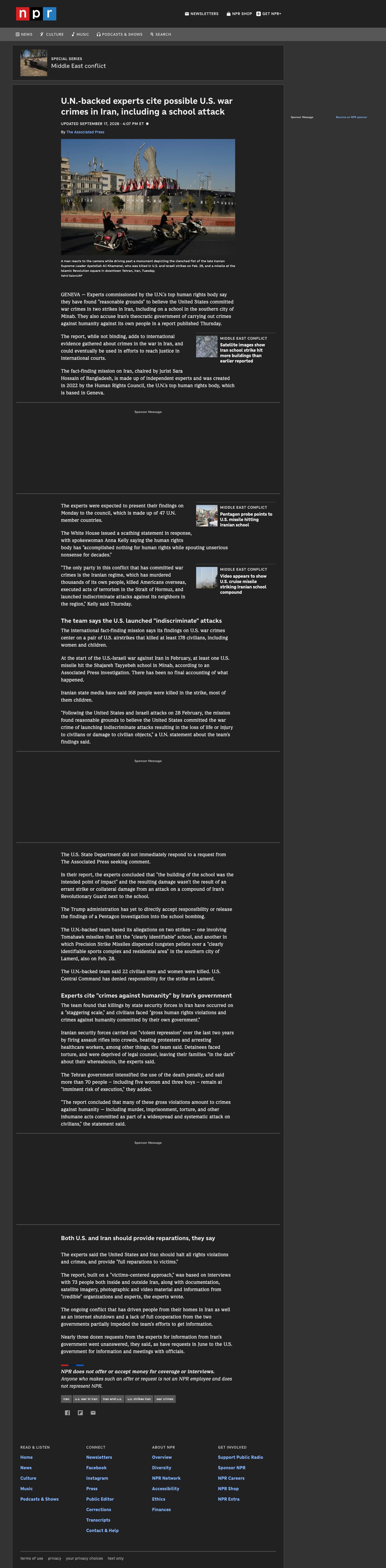 | author: | The Associated Press | institution: | NPR | ¿porque no los dos? |
| tl;dr | The article reports that U.N.-commissioned experts found reasonable grounds to suspect U.S. war crimes in two strikes in Iran, including an attack on a school in Minab. The same report accuses Iranian authorities of crimes against humanity through killings, torture and repression. U.S. officials reject the allegations. Experts call for reparations from both governments. Their findings draw on interviews and visual evidence, but information gathering was hindered by conflict, internet restrictions and government noncooperation. The report is not a binding judicial ruling. | ||||
| deeper: | The article emphasizes civilian protection and legal accountability without clearly endorsing a partisan position. It attributes allegations, includes substantial U.S. rebuttals, covers Iranian abuses and explains investigative limitations. Strong wording largely comes from identified sources. Its main weaknesses are reliance on one investigative report, limited explanation of evidence establishing targeting responsibility, and no direct Iranian response. Different casualty figures are attributed but not reconciled. These scores assess the supplied text; the screenshots alone do not authenticate its reporting. | ||||
media: | |||||
| gen: 2026/09/09:15:24 in 43.9 sec (old)bias: 4 (Center-Left) |
| type: newsquality: 72 |
| pts: 0 |

 | author: | Unknown | institution: | France 24 | ¿porque no los dos? |
| tl;dr | A France 24 report says 12 countries—including Britain, Canada and France—plan to sanction trade with Israeli settlements in the West Bank, citing rising attacks by settlers against Palestinians in the occupied territory. The page includes a short video clip and a brief summary paragraph framing the move as a response to increased settler violence. | ||||
| deeper: | The language is mostly straightforward and event-focused, but it frames the rationale primarily through “increasing attacks by settlers against Palestinians” and uses the term “occupied territory,” which signals a particular legal/political framing and may omit Israeli government/settler arguments or counterclaims in the visible excerpt. Quality is solid for a headline brief from a major outlet, but the screenshot lacks details: which 12 countries, what specific sanctions, definitions of “settlements,” evidence for the increase in attacks, and any responses from Israel or affected businesses. | ||||
media: | |||||
| gen: 2026/09/08:23:37 in 1 min 10.8 secbias: 6 (Center-Left) |
| type: colorquality: 78 |
| pts: 0 |

Leftist
The UK finally calls out Israel for its inhumane actions in the West Bank, holding Netanyahu accountable for blatant ethnic cleansing. The long-overdue sanctions signal a shift towards justice and human rights. It's a courageous move against oppressive settler violence, echoing the cries of displaced Palestinians. The world must recognize their suffering, and Britain's bold stance is a beacon of hope for peace and equality in the Middle East. Solidarity now!
Rightist
Here's the UK meddling again, imposing its will on a sovereign state. Accusing Israel of ethnic cleansing disregards their right to defend their land. These sanctions are a leftist overreach, attacking a critical ally while emboldening hostility. Israel's actions ensure security and peace, and undermining this with baseless accusations threatens stability. Yet again, Britain's proving it's lost its way in the global political arena.
 | author: | Pippa Crerar, Jessica Elgot, Kiran Stacey | institution: | The Guardian | ¿porque no los dos? |
| tl;dr | A Guardian report says the UK government is taking a sharply tougher line on Israel’s West Bank settlement activity, with foreign secretary Ed Miliband describing “settler terrorists” as carrying out “ethnic cleansing” with government backing. The piece outlines planned sanctions and trade restrictions tied to settlements, cites supportive statements from PM Andy Burnham and allied leaders, and reports Israel’s response (including retaliatory steps and accusations of “outrageous lies”). It also notes the US would not follow the UK’s approach and includes limited domestic UK political reaction. | ||||
| deeper: | The article is largely built around officials’ quotes and policy details, but it adopts highly charged framing in the headline (“terrorists,” “ethnic cleansing”) and foregrounds UK claims more than independent substantiation in the visible text. It does include responses from Israel’s foreign minister, a US stance, and UK opposition voices, which improves balance. Quality is solid for attribution, context (two-state framing, E1 project), and specificity on proposed measures, but would be stronger with more documented evidence, clearer legal/definitional grounding, and more Israeli government/settler perspectives beyond rebuttals. | ||||
media: | |||||
| gen: 2026/09/08:17:08 in 41.3 sec (old)bias: 4 (Center) |
| type: newsquality: 72 |
| pts: 0 |

 | author: | Unknown | institution: | France 24 | ¿porque no los dos? |
| tl;dr | A France 24 “live” Middle East update reports that Israel plans to close the British consulate in Jerusalem, framing the move as a response to UK sanctions related to Israeli settlements. The page features an AFP photo of an Israeli soldier near a newly established settlement outpost near Beit Sahur, labeled as in the occupied West Bank, reinforcing the settlement-focused context of the story. | ||||
| deeper: | The headline is largely straight, cause-and-effect framing (“after sanctions”), but the choice of photo and caption language (“occupied West Bank,” “newly established … outpost”) foregrounds a specific legal/political framing that many governments and the UN use, while others contest parts of it—this can tilt perception without being overtly polemical. Quality is solid for a breaking-news/live item (clear headline, timestamp, AFP image credit), but the provided excerpt lacks the article body, sourcing details, and competing quotes that would let readers fully assess claims and motives. | ||||
media: | |||||
| gen: 2026/09/08:17:05 in 55.9 sec (old)bias: 5 (Center-Left) |
| type: newsquality: 76 |
| pts: 0 |

 | author: | Lauren Frayer | institution: | NPR | ¿porque no los dos? |
| tl;dr | NPR reports that the U.K. will ban imports of goods produced in Israeli settlements in the occupied West Bank, with Foreign Secretary Ed Miliband accusing settler “terrorists” of carrying out “ethnic cleansing” of Palestinians. The story says Canada and France announced similar steps and notes other European countries restricting settlement trade. It includes U.S. reactions (noncommittal from Secretary of State Marco Rubio; criticism from Ambassador Mike Huckabee), Israeli retaliation threats from Foreign Minister Gideon Sa’ar, and Palestinian approval from Mahmoud Abbas. | ||||
| deeper: | The piece is largely straight news and includes multiple viewpoints (U.K., Israel, U.S., Palestinian leadership, U.K. opposition). However, it foregrounds highly charged claims (“ethnic cleansing,” “settler terrorists”) without showing the evidentiary basis, definitions, or independent corroboration in the excerpted sections, which can steer readers emotionally. It also gives limited concrete detail on the ban’s legal scope, enforcement, and trade magnitude. Still, attribution is clear, sourcing is specific (quotes, readout, joint statement), and the story is coherent and contextualized around the two‑state solution. | ||||
media: | |||||
| gen: 2026/09/02:14:52 in 41.0 sec (old)bias: 8 (Center-Right) |
| type: newsquality: 56 |
| pts: 0 |
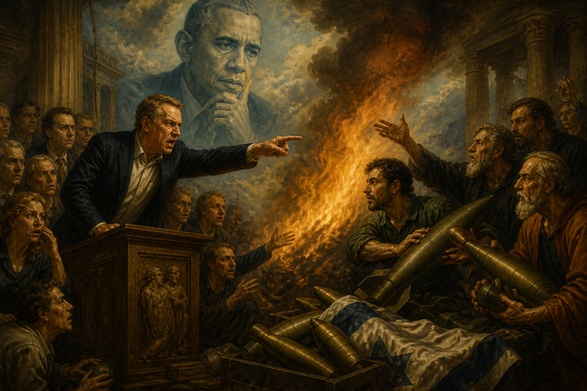
#politics#israel#democrats#van jones#abdul el-sayed#barack obama#israel policy#gaza#west bank","leba
 | author: | Alexander Hall | institution: | Fox News | ¿porque no los dos? |
| tl;dr | Fox News Digital reports that CNN commentator Van Jones criticized Michigan Democratic Senate candidate Abdul El-Sayed’s Israel policy, characterizing it as “insane” and implying El-Sayed believes he is “smarter than Barack Obama.” The piece highlights Jones’ objections to an alleged “total and complete arms embargo” on Israel, then broadens into a narrative about Democratic Party infighting, quoting several outside voices who portray El-Sayed and allied activists as extreme. The article notes Fox News sought comment from El-Sayed’s campaign and did not receive an immediate reply. | ||||
| deeper: | The article centers on inflammatory characterizations (“insane,” “post-American, pro-Antifa,” “Muslim Brotherhood propaganda machine”) and amplifies them with little scrutiny, which pushes readers toward a negative conclusion about El-Sayed. It relies heavily on selective quotes and partisan-adjacent commentators, while offering minimal space to El-Sayed’s own rationale beyond a paraphrased policy description; the only balancing move is noting Fox contacted his campaign. It is readable and provides attribution for many claims, but lacks context, verification, and substantive policy comparison. | ||||
media: | |||||
| gen: 2026/09/02:03:42 in 42.9 sec (old)bias: 5 (Unknown) |
| type: lolsquality: 20 |
| pts: 0 |
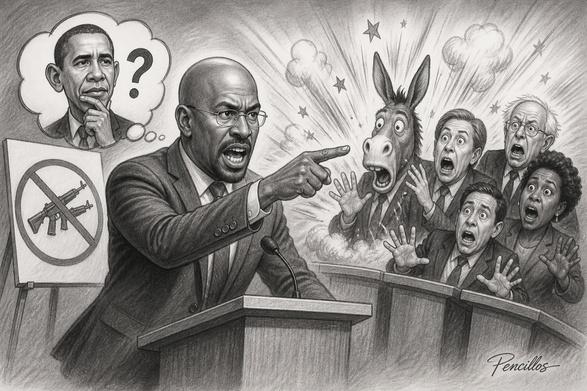

| gen: 2026/08/22:18:54 in 43.9 sec (old)bias: 4 (Center-Left) |
| type: newsquality: 63 |
| pts: 0 |
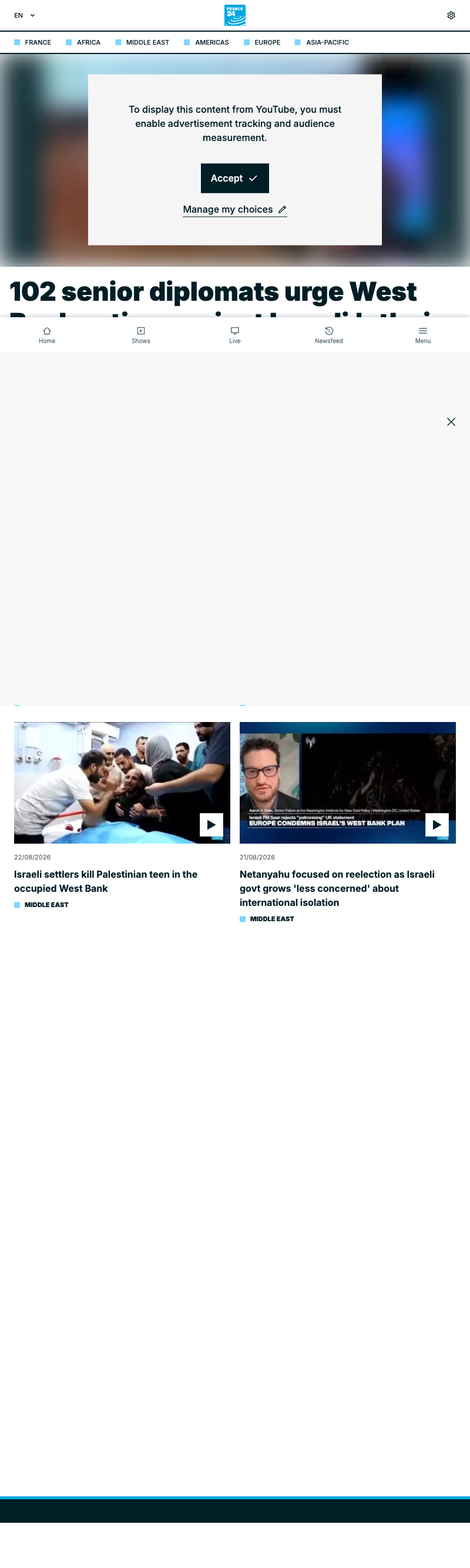 | author: | Unknown | institution: | France 24 | ¿porque no los dos? |
| tl;dr | The image is a France 24 news page focused on Israel/Palestine coverage. The visible headlines include: “Israeli settlers kill Palestinian teen in the occupied West Bank” (22/08/2026), “Netanyahu focused on reelection as Israeli govt grows ‘less concerned’ about international isolation” (21/08/2026), and a clip noting “Europe condemns Israel’s West Bank plan.” A larger, partly obscured headline reads “102 senior diplomats urge West …,” but the rest of the article is not visible. | ||||
| deeper: | Bias signals are mild and mostly come from framing and word choice: repeated emphasis on West Bank condemnation, “occupied West Bank,” and “settlers kill” foregrounds Israeli actions and international criticism. “Occupied West Bank” is widely used in diplomatic/UN contexts, but it still communicates a legal-political stance. Quality looks decent for a mainstream outlet, but the screenshot hides the main article’s body, sources, and countervailing perspectives, so it’s hard to assess evidence, attribution, and completeness. | ||||
media: | |||||
| gen: 2026/08/22:18:51 in 35.1 sec (old)bias: 4 (Center) |
| type: newsquality: 55 |
| pts: 0 |
| gen: 2026/08/16:22:30 in 35.6 sec (old)bias: 3 (Center) |
| type: newsquality: 78 |
| pts: 0 |
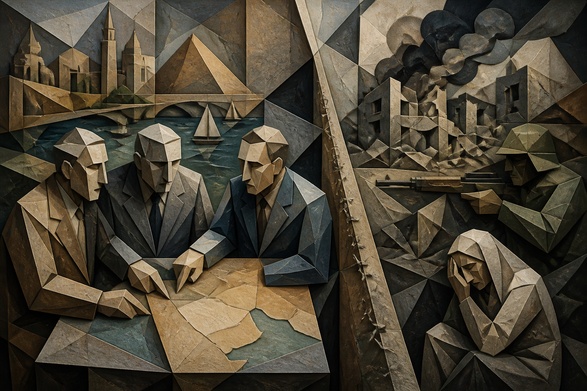
 | author: | The Associated Press | institution: | NPR | ¿porque no los dos? |
| tl;dr | The article reports that Jared Kushner held a rare meeting with Hamas in Egypt ahead of planned talks with Israeli Prime Minister Benjamin Netanyahu about a U.S.-backed Gaza “road map” tied to a ceasefire, disarmament, Israeli withdrawal, and reconstruction. It describes the plan’s stages, the roles of Egypt/Qatar/France, and Israel’s internal political pressures. It also notes Hamas’ conditions and international criticism—especially from Arab states—of Israel’s reported rejection or obstruction of the proposal. | ||||
| deeper: | The piece is mostly straightforward, attribution-heavy wire reporting (named/anonymous officials, clear sequencing of events, and competing claims). Potential bias shows in framing: it emphasizes Israel’s alleged obstruction and Arab condemnation more than Israeli justifications, while also quoting Israel-linked political constraints and Hamas’ stated positions. Quality is solid (context, timeline, details of the proposed framework), but key claims rely on anonymous sourcing and there’s limited verification or direct documentation of the “road map” terms beyond described bullet points. | ||||
media: | |||||
| gen: 2026/08/13:04:34 in 3 min 4.3 sec (old)bias: 6 (Center-Left) |
| type: lolsquality: 78 |
| pts: 0 |
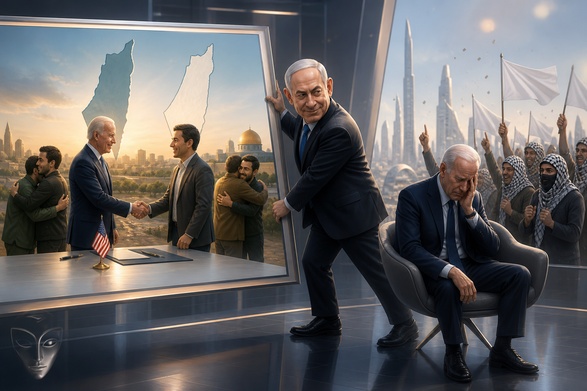
 | author: | Unknown | institution: | Unknown | ¿porque no los dos? |
| tl;dr | The article argues that Israeli Prime Minister Benjamin Netanyahu’s rejection of a US-backed Gaza ceasefire/hostage plan strengthens Hamas politically by reinforcing its narrative that Israel will not accept a path to ending the war or moving toward Palestinian statehood. It connects Netanyahu’s stance to domestic coalition politics and long-standing opposition to a two‑state framework, and suggests the rejection undermines US diplomacy and prolongs the conflict and humanitarian catastrophe in Gaza. | ||||
| deeper: | The framing is explicitly critical of Netanyahu (e.g., “gave a ‘victory’ to Hamas”), foregrounding political incentives and humanitarian consequences while giving less weight to Israeli government security rationales beyond brief mention. The piece reads like analysis/commentary rather than straight reporting: it uses interpretive language, causal claims, and normative judgments. Quality is fairly strong for an explainer—coherent structure, relevant context (ceasefire plan, hostages, coalition constraints, two-state implications)—but the headline and some conclusions are arguable and could use more direct evidence and fuller engagement with counterarguments. | ||||
media: No Media Preview | |||||
| gen: 2026/08/08:22:43 in 3 min 3.1 sec (old)bias: 3 (Center) |
| type: lolsquality: 78 |
| pts: 0 |
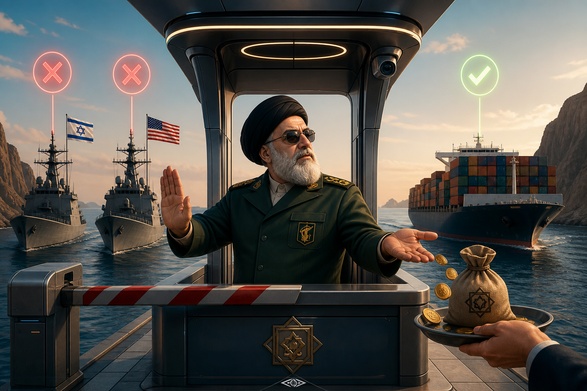
 | author: | Jon Gambrell | institution: | NPR | ¿porque no los dos? |
| tl;dr | The article reports Iran’s parliament advancing a proposal to bar U.S. and Israeli ships from transiting the Strait of Hormuz and to levy fees on other vessels, framing it as retaliation tied to regional conflict dynamics and maritime security. It situates the proposal within the strategic importance of Hormuz for global oil trade, notes reactions/concerns from the U.S. and regional actors, and references prior incidents and Iran-linked threats affecting shipping in and around the Red Sea and Gulf. | ||||
| deeper: | The writing is largely straight-news: it emphasizes verifiable facts (the proposal, the waterway’s importance, recent security context) and includes attribution to officials and prior events. Bias is limited but present in story framing that prioritizes Western/industry security concerns and treats Iran’s stated rationale with some skepticism. Quality is solid: clear headline, relevant background, and contextual history; it would be stronger with more direct Iranian parliamentary quotes and clearer distinction between proposal, likelihood of passage, and enforcement capability. | ||||
media: No Media Preview | |||||
| gen: 2026/08/05:04:11 in 3 min 39.7 sec (old)bias: 6 (Center-Left) |
| type: lolsquality: 72 |
| pts: 0 |
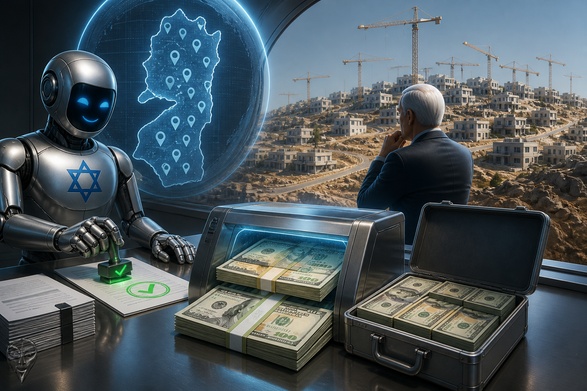
 | author: | Unknown | institution: | Al Jazeera (via Yahoo News) | ¿porque no los dos? |
| tl;dr | The image shows a Yahoo News page syndicating an Al Jazeera report titled “Israel approves $37m to seize more than 70 occupied West Bank sites.” The piece frames an Israeli government decision to allocate funds toward taking control of dozens of locations in the West Bank, describing the area as “occupied.” It presents the move as part of a broader policy affecting land, heritage/religious sites, and settlement-related control, with likely reference to international-law disputes and Palestinian impacts. | ||||
| deeper: | The headline and repeated use of “occupied West Bank” signals a clear framing aligned with common international-law language and emphasizes seizure/appropriation, which can prime readers toward viewing the policy as illegitimate. That’s a perspective, though also a widely used descriptor outside Israeli government messaging. The article appears to be straight-news focused on a concrete budget decision and specific counts (“$37m,” “more than 70”), which supports credibility, but the framing likely foregrounds Palestinian/legal critique more than Israeli justifications or internal legal arguments. | ||||
media: No Media Preview | |||||
| gen: 2026/07/28:14:04 in 4 min 48.9 sec (old)bias: 7 (Center-Right) |
| type: lolsquality: 45 |
| pts: 0 |
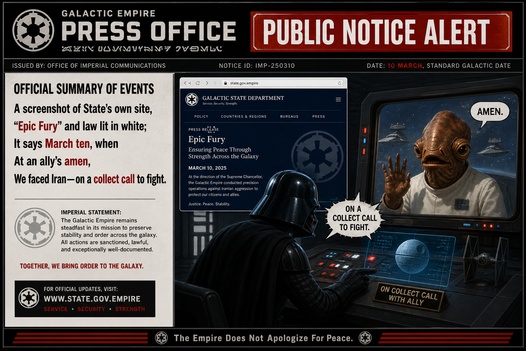
#geopolitics#intl law#diplomacy#middle east#us-iran#us state dept#israel#iran#self-defense#un security#operation epicfu
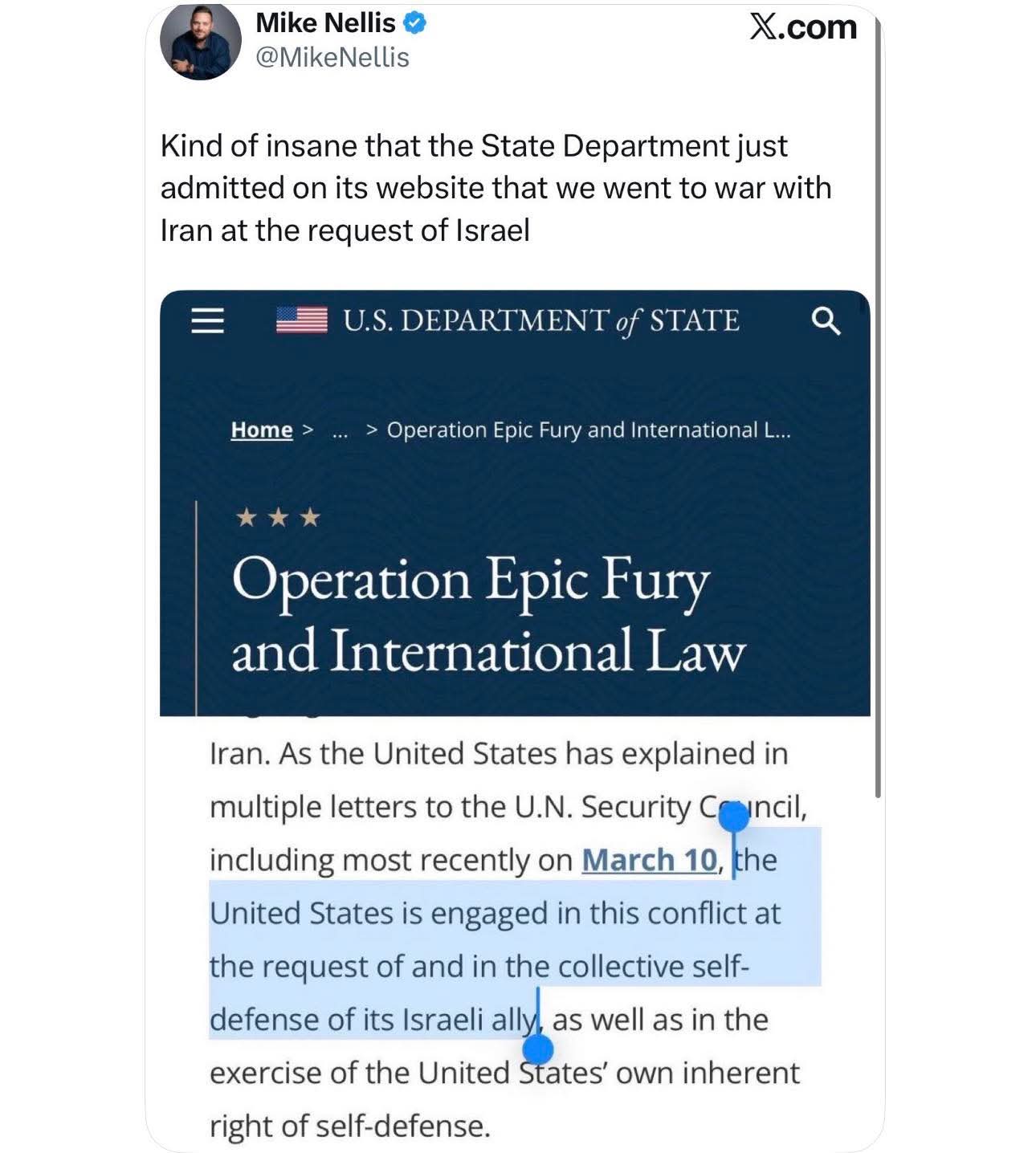 | author: | Mike Nellis | institution: | X.com | ¿porque no los dos? |
| tl;dr | The image is a screenshot of an X (Twitter) post claiming the U.S. State Department “admitted” the U.S. went to war with Iran “at the request of Israel.” The post cites a State Department page titled “Operation Epic Fury and International Law,” highlighting language that the U.S. is engaged in a conflict “at the request of” and in “collective self-defense of its Israeli ally.” The framing suggests a dramatic revelation, but the excerpt appears to describe a legal justification for U.S. actions tied to protecting an ally, not necessarily a broad U.S.–Iran war declaration. | ||||
| deeper: | The post uses loaded phrasing (“Kind of insane,” “admitted”) to imply scandal and simplify a complex legal/strategic context into a single causal claim. It relies on a cropped excerpt without the full surrounding text, definitions (what “this conflict” refers to), or the State Department’s broader argument. The underlying source (a State Department page) can be high-value evidence, but the presentation is selective and interpretive rather than explanatory, reducing reliability and increasing rhetorical bias. | ||||
media: No Media Preview | |||||
| gen: 2026/07/24:02:49 in 3 min 13.0 sec (old)bias: 4 (Center) |
| type: newsquality: 78 |
| pts: 0 |
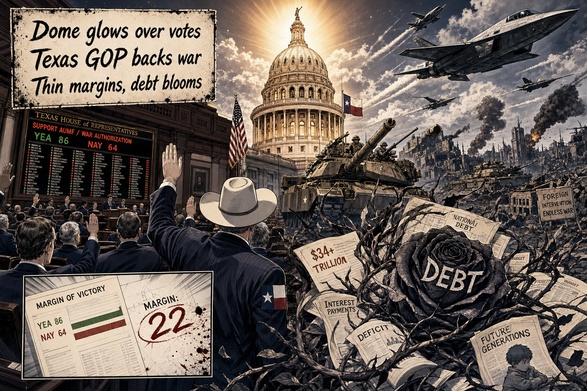
 | author: | Gabby Birenbaum; Samantha Latibody | institution: | The Texas Tribune | ¿porque no los dos? |
| tl;dr | A Texas Tribune report says Texas House Republicans largely backed a foreign-aid and national-security package—including funding tied to Israel and potential Iran-related escalation—while some Republicans opposed it on fiscal or anti-intervention grounds. The article frames the vote as a display of GOP unity on security spending (with notable dissent), explains what’s in the $95B package, and situates Texas members within the broader House political fight over foreign aid. | ||||
| deeper: | Content: The piece focuses on how Texas Republicans voted on (and justified) a major U.S. House foreign-aid/national-security spending package, emphasizing Israel/Iran-related funding elements while also discussing the broader bundle (commonly including Ukraine/Israel/Indo-Pacific components). It highlights intra-party dynamics—leadership support vs. hardline opposition—and uses member quotes and vote context to explain motivations. Bias: The article is mostly straight-news and attribution-heavy (quotes, vote outcome, political context). Potential bias comes from framing choices—foregrounding “Iran war funding” can prime readers toward seeing escalation rather than deterrence/defense, and the selection/order of quotes can subtly tilt sympathy toward or against the package. Still, it presents dissenting Republican arguments (e.g., spending concerns, skepticism of intervention) alongside supporters’ security arguments. Quality: Strong on basic reporting (who voted, what the package is, why factions split, how it fits into House politics). It appears to rely on verifiable public facts (roll-call dynamics, leadership strategy) and includes multiple perspectives. Limitations: the screenshoted article format suggests more political narrative than deep policy accounting; it likely does not fully quantify specific line items tied to Iran vs. broader defense/aid, nor does it deeply test lawmakers’ claims against independent budget analysis. Overall: solid, credible, and readable, with moderate framing effects but not overt advocacy. | ||||
media: No Media Preview | |||||
| gen: 2026/07/16:14:38 in 1 min 26.2 sec (old)bias: 4 (Center-Left) |
| type: newsquality: 80 |
| pts: 0 |

| gen: 2026/07/15:04:12 in 1 min 4.9 sec (old)bias: 3 (Center) |
| type: newsquality: 28 |
| pts: 0 |
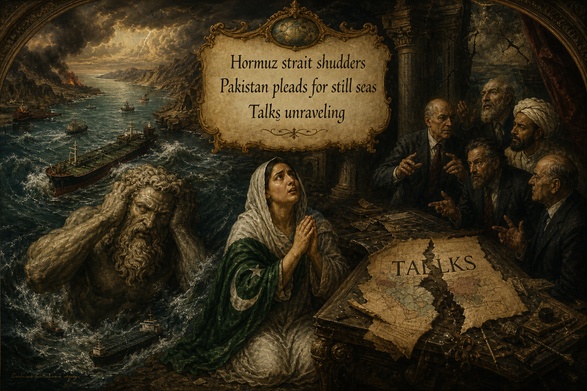
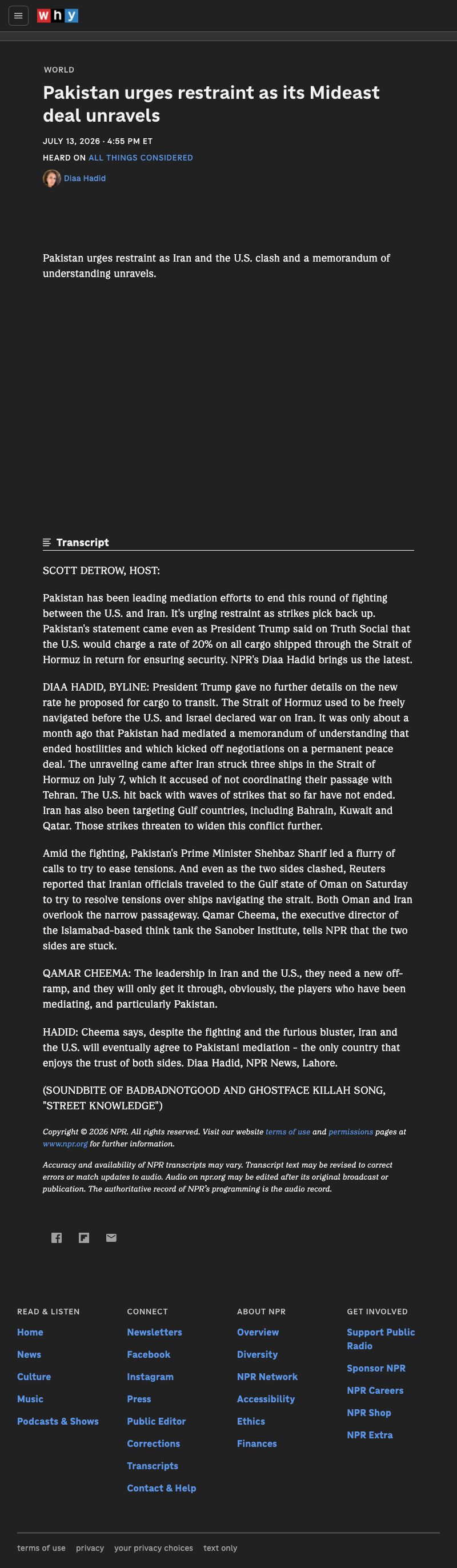 | author: | Dyaa Hadid | institution: | NPR | ¿porque no los dos? |
| tl;dr | The image shows an apparent NPR transcript dated July 13, 2026, about Pakistan attempting to mediate an escalating conflict between Iran and the United States. It says President Trump proposed a 20% charge on cargo passing through the Strait of Hormuz, while Iran and the U.S. exchanged attacks and Pakistan sought to restore negotiations. However, the item contains major credibility concerns: it is dated in the future, provides little supporting detail, and describes extraordinary geopolitical events without sufficient sourcing or corroboration. | ||||
| deeper: | The presentation is relatively restrained and news-oriented. It attributes claims to NPR reporters, Reuters, President Trump’s Truth Social account, and a Pakistani think-tank analyst, and it avoids overtly partisan language. The emphasis on diplomacy and restraint may modestly favor a conflict-de-escalation perspective, but there is no clear left- or right-wing framing. Quality is substantially reduced by the apparent future date, the absence of links or detailed evidence, and the extraordinary claims that the U.S. and Israel declared war on Iran, that Iran attacked Gulf states, and that the U.S. proposed a 20% Strait of Hormuz cargo charge. The transcript also does not explain the alleged memorandum, identify the ships involved, provide official statements, or give enough context to independently evaluate the claims. The NPR branding and polished formatting could be genuine, but the image alone cannot authenticate the article and may depict fabricated or altered content. | ||||
media: No Media Preview | |||||
| gen: 2026/07/15:04:09 in 1 min 1.0 sec (old)bias: 4 (Center-Left) |
| type: newsquality: 76 |
| pts: 0 |
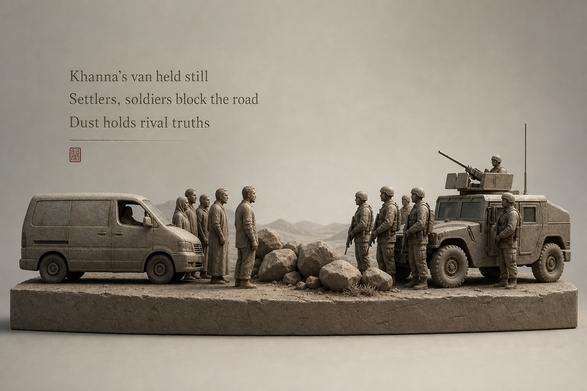
 | author: | Michelle Aslam, Patrick Jarenwattananon, and Ailsa Chang | institution: | NPR | ¿porque no los dos? |
| tl;dr | NPR interviews Rep. Ro Khanna about his reported detention during a Palestinian-led visit to the occupied West Bank. Khanna says armed Israeli settlers blocked his group, followed by Israeli soldiers who allegedly failed to clear the road and detained them for roughly 75–90 minutes. Israeli officials dispute parts of his account, describing the trip as unauthorized or a political stunt. The interview gives Khanna substantial space to explain his version, while host Ailsa Chang raises Israeli counterclaims and notes that NPR requested, but had not received, comment from the Israel Defense Forces. Khanna concludes by advocating an end to U.S. aid and military sales to Israel and accusing the Israeli government of genocide and apartheid. | ||||
| deeper: | The transcript is transparent about its format: it is an interview primarily featuring one participant rather than a fully reported article. Its strongest quality is that host Ailsa Chang directly presents opposing claims from Ambassador Mike Huckabee and the Israeli military, asks Khanna to respond, and acknowledges that video and witnesses may corroborate his account while also noting Israel's denial of genocide allegations. However, the segment gives much more airtime to Khanna than to Israeli officials or independent sources, and several serious claims—including detention details, the soldiers' conduct, and the legal status of the area—are presented without documentary evidence in the transcript. Khanna's strongly political conclusions are included with limited follow-up questioning, particularly his claims about genocide, apartheid, future U.S. policy, and public opinion. The wording uses terms such as 'occupied West Bank,' which is consistent with widely used international-law and diplomatic terminology but also places the segment within a particular framing. Overall, it is a credible and reasonably balanced interview transcript, but not a comprehensive verification of the incident. | ||||
media: No Media Preview | |||||
| gen: 2026/07/13:13:48 in 1 min 51.6 sec (old)bias: 5 (Center-Left) |
| type: lolsquality: 72 |
| pts: 0 |
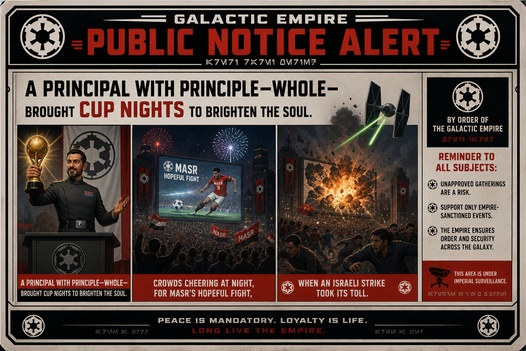
 | author: | Anas Baba | institution: | NPR | ¿porque no los dos? |
| tl;dr | An NPR report profiles Mohammed al-Wahidi, a 64-year-old Palestinian aid worker in Gaza who organized public screenings of Egypt’s World Cup matches and was killed in an Israeli airstrike. The story emphasizes the communal importance of soccer amid wartime destruction, his humanitarian work, and the grief of his family and community. It briefly notes the Israeli military’s claim that it targeted a Hamas militant, but provides no further detail or independent verification. | ||||
| deeper: | The report is clearly human-interest journalism centered on Palestinian civilian suffering and community resilience. Its language—such as “beloved aid worker,” “tragedy,” and “collective joy”—is emotionally sympathetic to Palestinians, while the Israeli perspective appears only in a brief attribution that the strike targeted a Hamas militant. That imbalance creates moderate framing bias, though the report does not use overtly inflammatory political language and distinguishes the military’s claim from established fact. The transcript identifies the reporter, witnesses, family members, location, and relevant circumstances, and uses recorded audio. However, it is a short broadcast feature rather than a deeply reported investigation: it lacks independent confirmation of the strike’s target, details about the military operation, casualty verification, and substantive Israeli or Hamas responses. The displayed date is July 11, 2026, which is future-dated relative to the current date and makes external verification especially important. | ||||
media: No Media Preview | |||||


owned and operated by: RPN Omnigalactic Insitutution as of: 2026/10/14: 12:27 in 0 ms
Enter Code
Login with Account