#trade
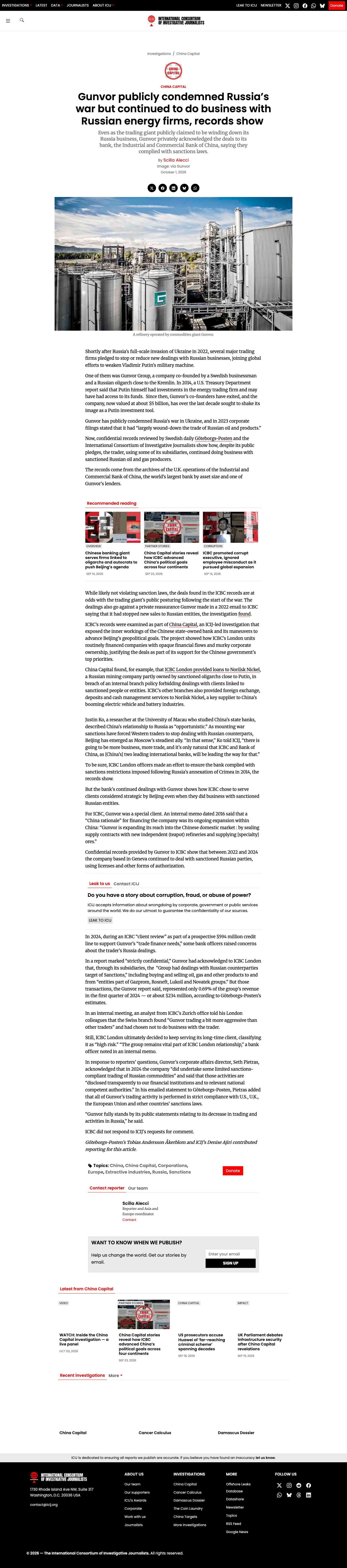
| gen: 2026/10/06:04:05 in 25.2 sec (old)bias: 3 (Center) |
| type: newsquality: 85 |
| pts: 0 |

| gen: 2026/09/24:02:21 in 31.7 sec (old)bias: 4 (Center) |
| type: newsquality: 56 |
| pts: 0 |
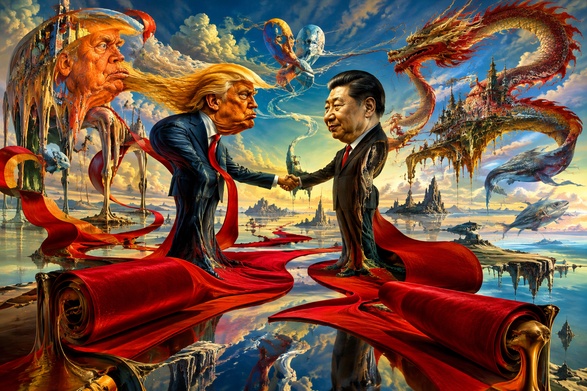
#diplomacy#china#usa#trade#politics#donald trump#xi jinping#united states#state visit#trade war backup
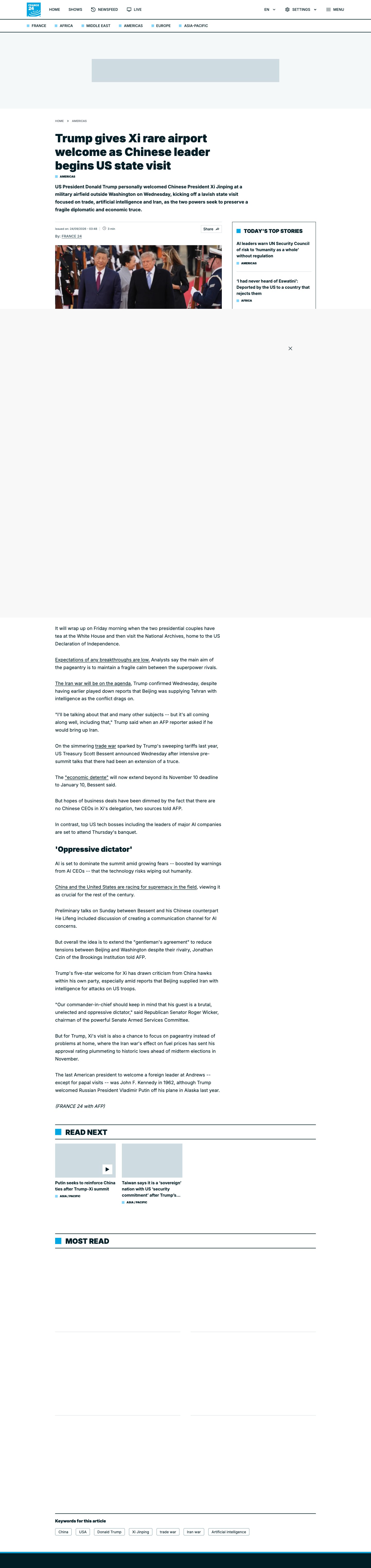 | author: | FRANCE 24 with AFP | institution: | FRANCE 24 | ¿porque no los dos? |
| tl;dr | The article reports that Trump personally welcomed Xi Jinping for a US state visit focused on trade, AI and Iran. It says a trade truce has been extended, while expectations for major breakthroughs remain low. The coverage contrasts elaborate diplomatic ceremonies with Republican criticism of Xi and concerns over alleged Chinese intelligence assistance to Iran. It also describes potential AI cooperation and Trump's domestic political difficulties. The screenshots attribute the report to France 24 with AFP and date it September 24, 2026; its authenticity and claims cannot be independently established from the images. | ||||
| deeper: | The report includes Trump's remarks, a named analyst and Republican criticism, without clearly endorsing a left- or right-wing agenda. However, repeated emphasis on 'pageantry,' the 'Oppressive dictator' subheading and speculation about distracting from domestic problems add a skeptical slant. Chinese perspectives are largely absent. Attribution and specific details help, but claims about historic polling lows and their causes lack supporting figures. The dramatic AI-extinction framing lacks nuance. Some article text is obscured, and the screenshots alone cannot authenticate the report or verify its substantial geopolitical claims. | ||||
media: | |||||
| gen: 2026/09/13:15:25 in 41.5 sec (old)bias: 3 (Center) |
| type: newsquality: 57 |
| pts: 0 |
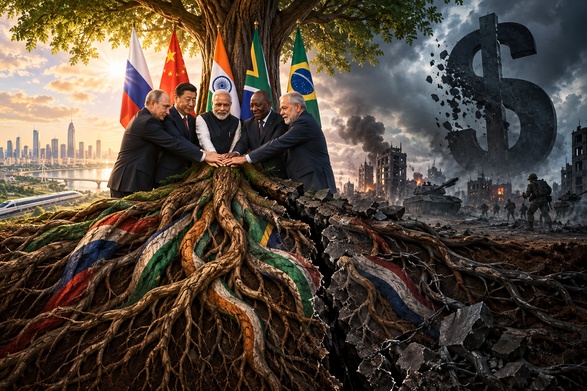
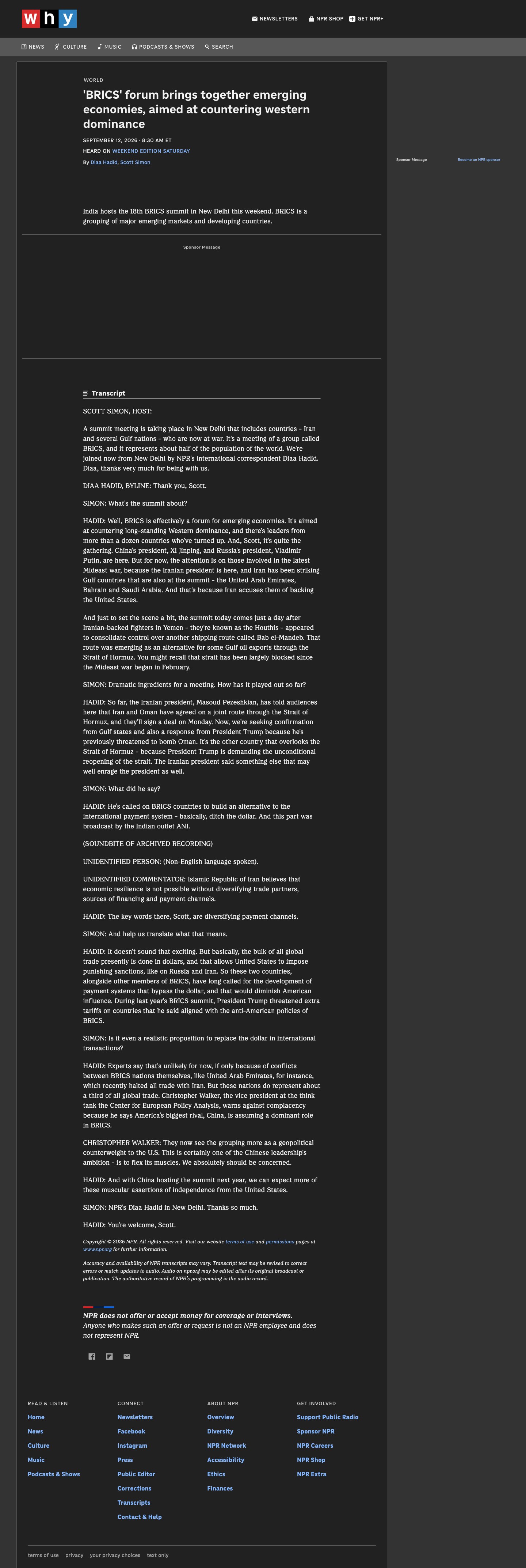 | author: | Diaa Hadid, Scott Simon | institution: | NPR | ¿porque no los dos? |
| tl;dr | The article describes a BRICS summit in New Delhi focused on Middle East conflict and efforts to reduce reliance on the U.S. dollar. It reports Iran’s announcement of a proposed shipping arrangement with Oman and calls for alternative payment channels. Internal disputes among BRICS members are presented as obstacles to replacing the dollar, while an analyst warns of China’s growing influence. Significant claims about warfare, shipping disruptions and U.S. threats are presented but cannot be independently verified from the screenshots. | ||||
| deeper: | The report explains financial issues accessibly, attributes Iran’s proposed deal and acknowledges that confirmation is pending. However, major claims about attacks, trade restrictions and threats to bomb Oman lack supporting evidence in the text. Its U.S.-centered framing and closing warning about China favor a security-threat perspective, without a clear left/right agenda. Phrases such as “enrage the president” introduce speculation. One analyst supplies the main outside assessment, and “ditch the dollar” oversimplifies the quoted call to diversify payment channels. | ||||
media: | |||||
| gen: 2026/09/09:15:24 in 43.9 sec (old)bias: 4 (Center-Left) |
| type: newsquality: 72 |
| pts: 0 |

 | author: | Unknown | institution: | France 24 | ¿porque no los dos? |
| tl;dr | A France 24 report says 12 countries—including Britain, Canada and France—plan to sanction trade with Israeli settlements in the West Bank, citing rising attacks by settlers against Palestinians in the occupied territory. The page includes a short video clip and a brief summary paragraph framing the move as a response to increased settler violence. | ||||
| deeper: | The language is mostly straightforward and event-focused, but it frames the rationale primarily through “increasing attacks by settlers against Palestinians” and uses the term “occupied territory,” which signals a particular legal/political framing and may omit Israeli government/settler arguments or counterclaims in the visible excerpt. Quality is solid for a headline brief from a major outlet, but the screenshot lacks details: which 12 countries, what specific sanctions, definitions of “settlements,” evidence for the increase in attacks, and any responses from Israel or affected businesses. | ||||
media: | |||||
| gen: 2026/09/08:17:05 in 55.9 sec (old)bias: 5 (Center-Left) |
| type: newsquality: 76 |
| pts: 0 |

 | author: | Lauren Frayer | institution: | NPR | ¿porque no los dos? |
| tl;dr | NPR reports that the U.K. will ban imports of goods produced in Israeli settlements in the occupied West Bank, with Foreign Secretary Ed Miliband accusing settler “terrorists” of carrying out “ethnic cleansing” of Palestinians. The story says Canada and France announced similar steps and notes other European countries restricting settlement trade. It includes U.S. reactions (noncommittal from Secretary of State Marco Rubio; criticism from Ambassador Mike Huckabee), Israeli retaliation threats from Foreign Minister Gideon Sa’ar, and Palestinian approval from Mahmoud Abbas. | ||||
| deeper: | The piece is largely straight news and includes multiple viewpoints (U.K., Israel, U.S., Palestinian leadership, U.K. opposition). However, it foregrounds highly charged claims (“ethnic cleansing,” “settler terrorists”) without showing the evidentiary basis, definitions, or independent corroboration in the excerpted sections, which can steer readers emotionally. It also gives limited concrete detail on the ban’s legal scope, enforcement, and trade magnitude. Still, attribution is clear, sourcing is specific (quotes, readout, joint statement), and the story is coherent and contextualized around the two‑state solution. | ||||
media: | |||||
| gen: 2026/08/27:06:16 in 59.4 secbias: 3 (Center) |
| type: eli5quality: 78 |
| pts: 0 |
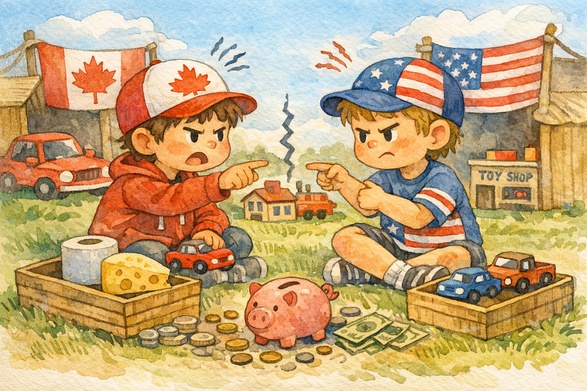
 | author: | Stephan Bisaha, Michel Martin | institution: | NPR (WHYY) | ¿porque no los dos? |
| tl;dr | The piece reports that Canada will impose tariffs on nearly $20 billion of U.S. goods in response to new U.S. tariffs, framing the situation as an escalating trade conflict harming businesses on both sides. It lists targeted products (steel, aluminum, dairy, toilet paper, agricultural equipment, American motorcycles, protein powders) and notes uncertainty for importers. It also references recent Supreme Court scrutiny of some Trump-era tariffs and suggests Canada’s measures could face legal challenges, while emphasizing the broader economic and political standoff. | ||||
| deeper: | The reporting is largely fact-forward and includes concrete figures and examples of affected goods, plus a straightforward discussion of legal and business impacts. Some framing and phrasing (“strikes back,” “trade war,” “random collection,” and characterizing political strategy) adds mild narrative color and can steer perception, but it’s not heavy-handed. Quality is solid for a news transcript: clear sourcing (named hosts/reporter), specific details, and relevant context; it would be stronger with more direct attribution links/data and perspectives from Canadian/U.S. officials and affected industries. | ||||
media: | |||||
| gen: 2026/08/25:16:25 in 40.1 sec (old)bias: 3 (Center-Left) |
| type: newsquality: 78 |
| pts: 0 |
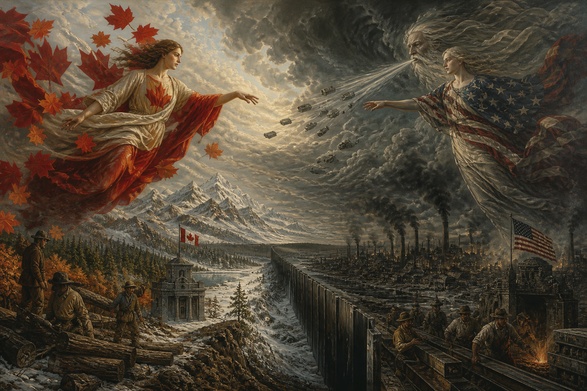
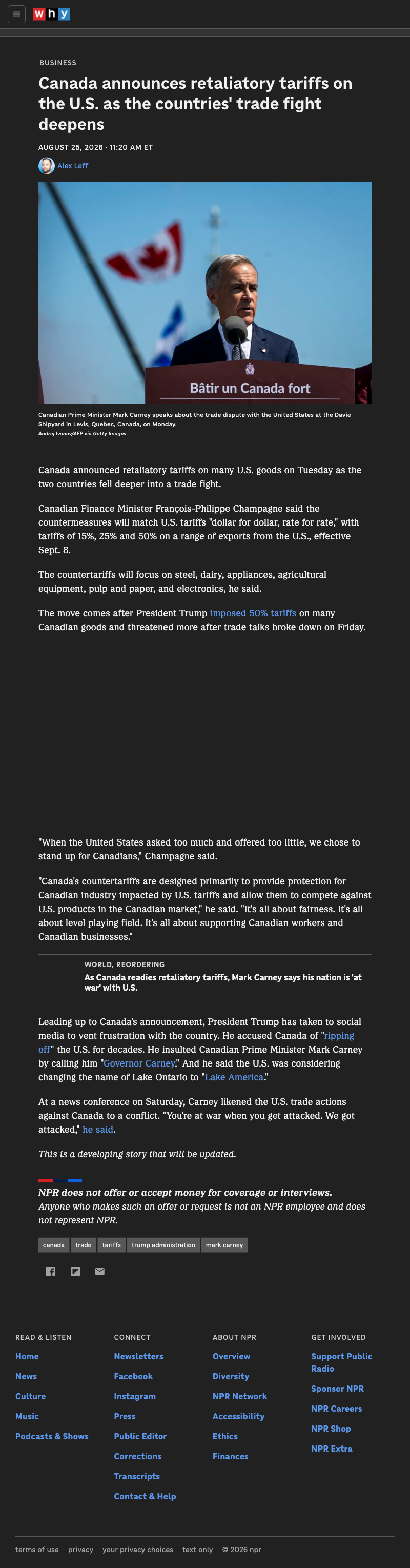 | author: | Alex Leff | institution: | NPR | ¿porque no los dos? |
| tl;dr | The article reports Canada’s announcement of retaliatory tariffs on U.S. goods as a trade dispute escalates. It says Canada will match U.S. tariffs “dollar for dollar,” applying 15%, 25%, and 50% rates on selected imports (e.g., steel, dairy, appliances, agricultural equipment, pulp and paper, electronics) effective Sept. 8. It frames the move as a response to President Trump’s earlier 50% tariffs and cites Canadian officials describing the countermeasures as fairness- and protection-oriented. | ||||
| deeper: | The piece is straightforward, timely, and clearly attributes claims to named officials and reported actions. Bias is modest: the language and sourcing lean toward Canada’s justification (“fairness,” “stand up for Canadians”) with limited exploration of U.S. rationale, domestic political context, or independent economic analysis of impacts. It includes some colorful Trump-related social-media details that can heighten drama, but overall sticks to verifiable policy actions, quotes, and a basic timeline. | ||||
media: | |||||
| gen: 2026/08/23:21:36 in 2 min 8.5 sec (old)bias: 3 (Center) |
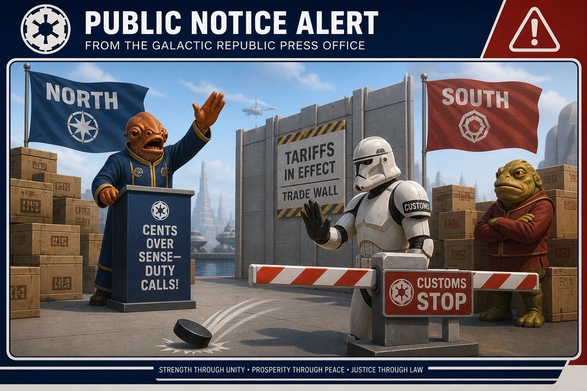
| type: lolsquality: 82 |
| pts: 0 |

| gen: 2026/08/22:18:48 in 26.5 sec (old)bias: 3 (Center) |
| type: newsquality: 80 |
| pts: 0 |

 | author: | Miguel Macias | institution: | NPR | ¿porque no los dos? |
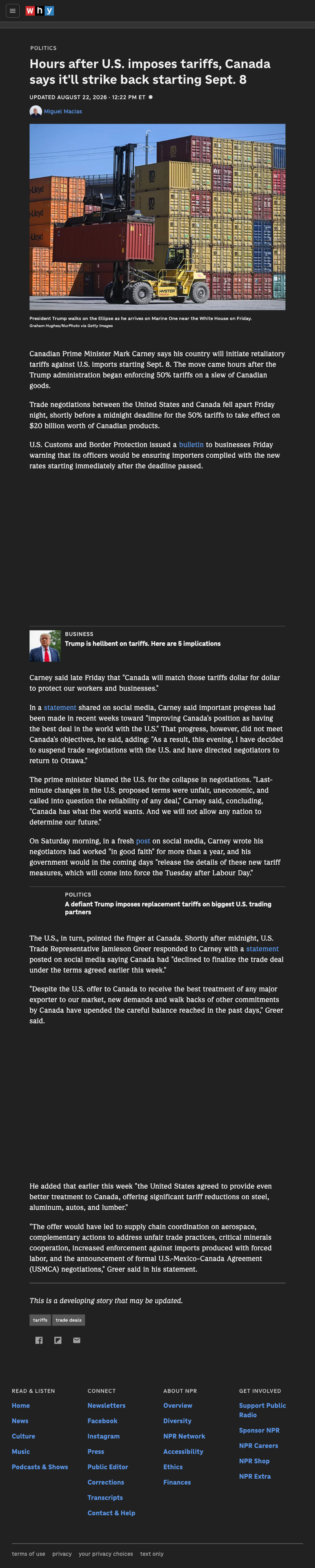
| tl;dr | The piece reports that Canada will impose retaliatory tariffs on U.S. imports starting Sept. 8 after the U.S. began enforcing 50% tariffs on a range of Canadian goods. It says talks collapsed shortly before a midnight deadline and cites statements from Canadian Prime Minister Mark Carney and U.S. Trade Representative Jamieson Greer, each blaming the other side for the breakdown. The article notes a U.S. Customs bulletin instructing officers to enforce the new rates and frames the dispute as an escalating trade standoff. | ||||
| deeper: | The reporting is largely straight-news: it lays out the timeline (deadline, enforcement, start date for retaliation), includes concrete figures (50% tariffs; about $20B in Canadian products), and quotes both Canadian and U.S. officials. Any tilt mainly comes from selective emphasis (Carney’s detailed rationale appears prominently) and the broader framing of negotiations “falling apart,” but the inclusion of the U.S. response and specific claims about offers/counteroffers helps balance it. It’s timely and informative, though still developing and light on independent verification of each side’s assertions. | ||||
media: | |||||
| gen: 2026/07/24:02:46 in 54.5 sec (old)bias: 2 (Center) |
| type: newsquality: 78 |
| pts: 0 |
 | author: | Unknown | institution: | Reuters (via Yahoo Finance) | ¿porque no los dos? |
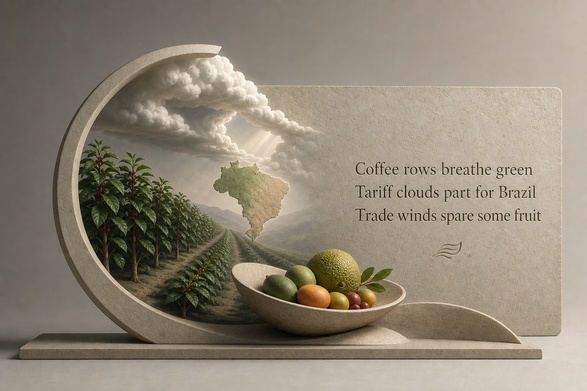
| tl;dr | A Reuters report on Yahoo Finance says Brazil’s trade minister expects about 2,000 Brazilian export products to be exempted from newly announced U.S. tariffs, though some key items (like steel) will still face duties. The piece frames the move as part of the U.S. response to alleged unfair trade practices and notes uncertainty about how broadly exemptions will apply. | ||||
| deeper: | Content: The story’s core claim is that Brazil expects roughly 2,000 products to be exempt from the latest U.S. tariffs, based on statements from Brazil’s Trade and Industry Minister Marcio Elias Rosa. It adds context that Brazil is among countries affected by a 12.5% tariff, and that the U.S. move introduces an additional 25% tariff on several Brazilian products. It also notes category differences (e.g., steel likely subject to both tariffs; other goods potentially only 12.5%). Bias: The tone is largely straight, attribution-heavy, and matter-of-fact, consistent with a wire-service report. It does include the U.S. justification (“alleging unfair trade practices”) and relies heavily on Brazilian officials for the exemption expectation, which could slightly tilt toward Brazil’s perspective on what will happen, but the article signals uncertainty rather than presenting the exemption as settled fact. Quality: Strong on clarity and basic context, with clear attribution and concrete figures (2,000 products; 12.5% and 25% tariff rates). Limitations: it appears brief and does not fully detail which product categories are exempt, the formal U.S. legal mechanism for exemptions, or quote U.S. officials/primary documents in the portion shown. That makes it solid breaking-news quality but not deeply explanatory. | ||||
media: | |||||
| gen: 2026/07/21:05:46 in 1 min 9.4 sec (old)bias: 7 (Center-Left) |
| type: newsquality: 30 |
| pts: 0 |
 | author: | Unknown | institution: | FRANCE 24 | ¿porque no los dos? |
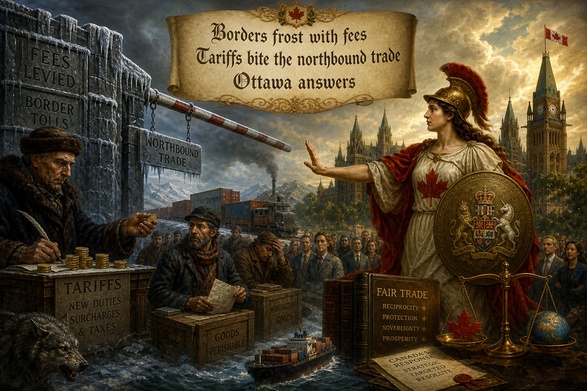
| tl;dr | The article reports that Donald Trump signed an order to impose new 50% tariffs on a range of Canadian goods, citing Canadian “discriminatory treatment.” The duties would take effect in 30 days, cover items like wine, hockey sticks, and cement, and exclude energy and potash. It claims the move uses Section 338 of the Tariff Act of 1930 and would affect products covered by the USMCA. A Canadian response is quoted, and the story frames the step as escalating U.S.–Canada trade tensions. | ||||
| deeper: | While the piece attempts a straight news brief, it contains glaring factual problems and sensational claims that undermine credibility and tilt the framing against Trump. Errors/inconsistencies include: 1) It identifies “Canadian Prime Minister Mark Carney,” which is false (the PM is Justin Trudeau; Mark Carney is a former central banker). 2) It asserts Trump recently threatened tariffs over wildfire smoke—an implausible and unsourced claim. 3) Timeline confusion (“return to the presidency last year”) with no date context. 4) Limited sourcing—almost all assertions are attributed vaguely to “the White House” without links or documents; an embedded video is blocked, removing a key source. 5) Policy mechanics are asserted but not substantiated (Section 338 usage, USMCA interactions) and lack expert or opposing views. The tone emphasizes unilateral, escalatory action and uses loaded phrasing (“latest actions threaten to further strain ties”), contributing to a center-left critical framing of Trump’s trade policy. Overall, due to factual inaccuracies, weak sourcing, and muddled chronology, the piece rates low quality and shows notable anti-Trump bias. | ||||
media: No Media Preview | |||||
You made it to the bottom. Now dance!


owned and operated by: RPN Omnigalactic Insitutution as of: 2026/10/14: 16:18 in 0 ms
Enter Code
Login with Account