#united states
| gen: 2026/09/24:02:27 in 28.2 sec (old)bias: 3 (Center) |
| type: newsquality: 70 |
| pts: 0 |
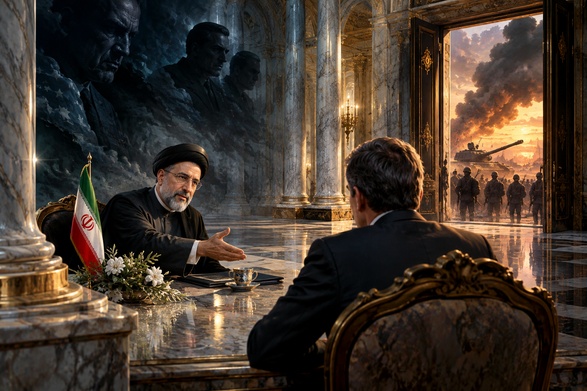
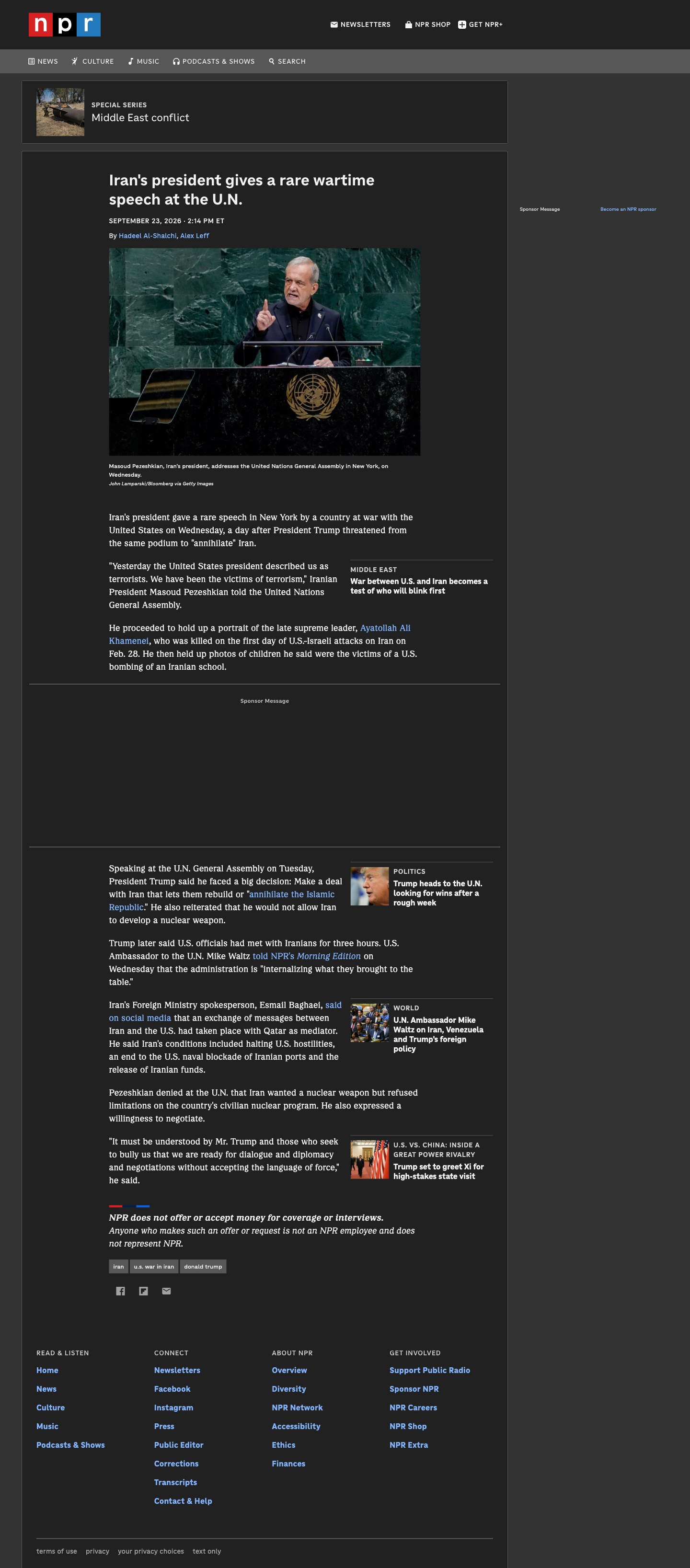 | author: | Hadeel Al-Shalchi, Alex Leff | institution: | NPR | ¿porque no los dos? |
| tl;dr | The article reports that Iranian President Masoud Pezeshkian addressed the United Nations during a war with the United States, criticizing U.S. attacks while expressing willingness to negotiate. It contrasts his remarks with President Trump’s threat to annihilate the Islamic Republic and his insistence that Iran not develop nuclear weapons. U.S. and Iranian officials describe diplomatic exchanges mediated by Qatar. Iran seeks an end to hostilities and a naval blockade, release of funds, and protection of its civilian nuclear program. | ||||
| deeper: | The report quotes both governments and generally distinguishes officials’ claims from established facts. Its opening emphasizes Trump’s threat and Iranian suffering, giving Iran’s perspective some emotional prominence. However, it also includes U.S. nuclear concerns and Iran’s refusal of restrictions, without clearly endorsing a political ideology. Named sources and links strengthen transparency. Limited independent scrutiny of wartime claims and little historical or nuclear-monitoring context weaken the reporting. The screenshots alone cannot establish the authenticity of the page or verify its consequential factual claims. | ||||
media: | |||||
| gen: 2026/09/24:02:21 in 31.7 sec (old)bias: 4 (Center) |
| type: newsquality: 56 |
| pts: 0 |
#diplomacy#china#usa#trade#politics#donald trump#xi jinping#united states#state visit#trade war backup
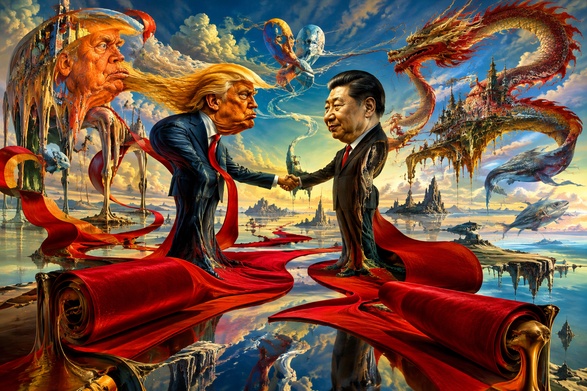
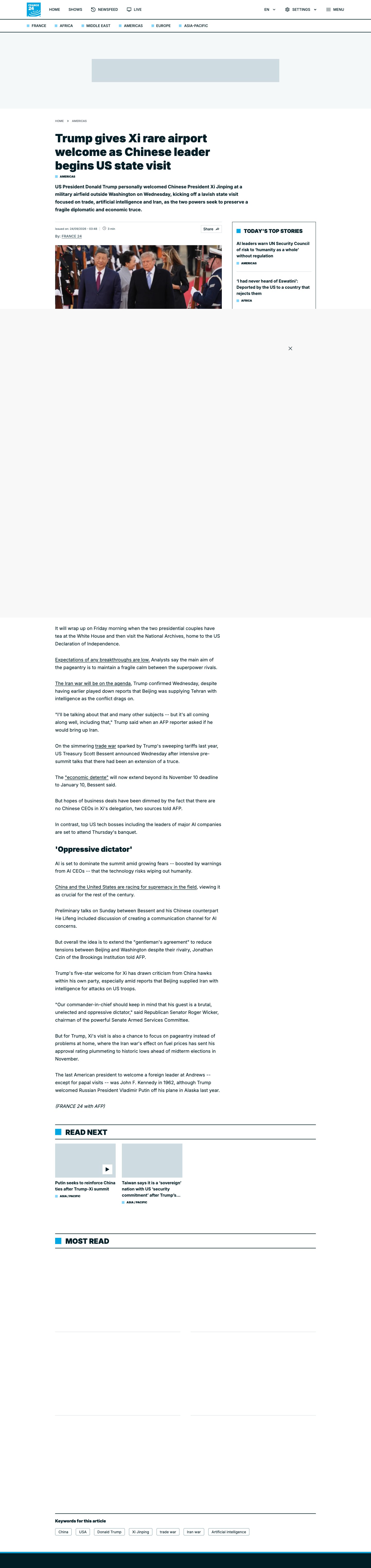 | author: | FRANCE 24 with AFP | institution: | FRANCE 24 | ¿porque no los dos? |
| tl;dr | The article reports that Trump personally welcomed Xi Jinping for a US state visit focused on trade, AI and Iran. It says a trade truce has been extended, while expectations for major breakthroughs remain low. The coverage contrasts elaborate diplomatic ceremonies with Republican criticism of Xi and concerns over alleged Chinese intelligence assistance to Iran. It also describes potential AI cooperation and Trump's domestic political difficulties. The screenshots attribute the report to France 24 with AFP and date it September 24, 2026; its authenticity and claims cannot be independently established from the images. | ||||
| deeper: | The report includes Trump's remarks, a named analyst and Republican criticism, without clearly endorsing a left- or right-wing agenda. However, repeated emphasis on 'pageantry,' the 'Oppressive dictator' subheading and speculation about distracting from domestic problems add a skeptical slant. Chinese perspectives are largely absent. Attribution and specific details help, but claims about historic polling lows and their causes lack supporting figures. The dramatic AI-extinction framing lacks nuance. Some article text is obscured, and the screenshots alone cannot authenticate the report or verify its substantial geopolitical claims. | ||||
media: | |||||
| gen: 2026/09/20:20:34 in 18.0 sec (old)bias: 1 (Center) |
| type: newsquality: 40 |
| pts: 0 |
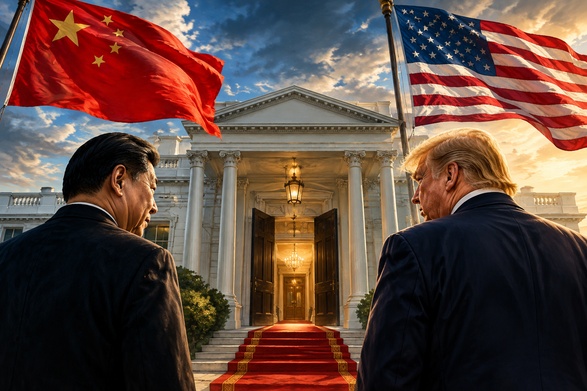
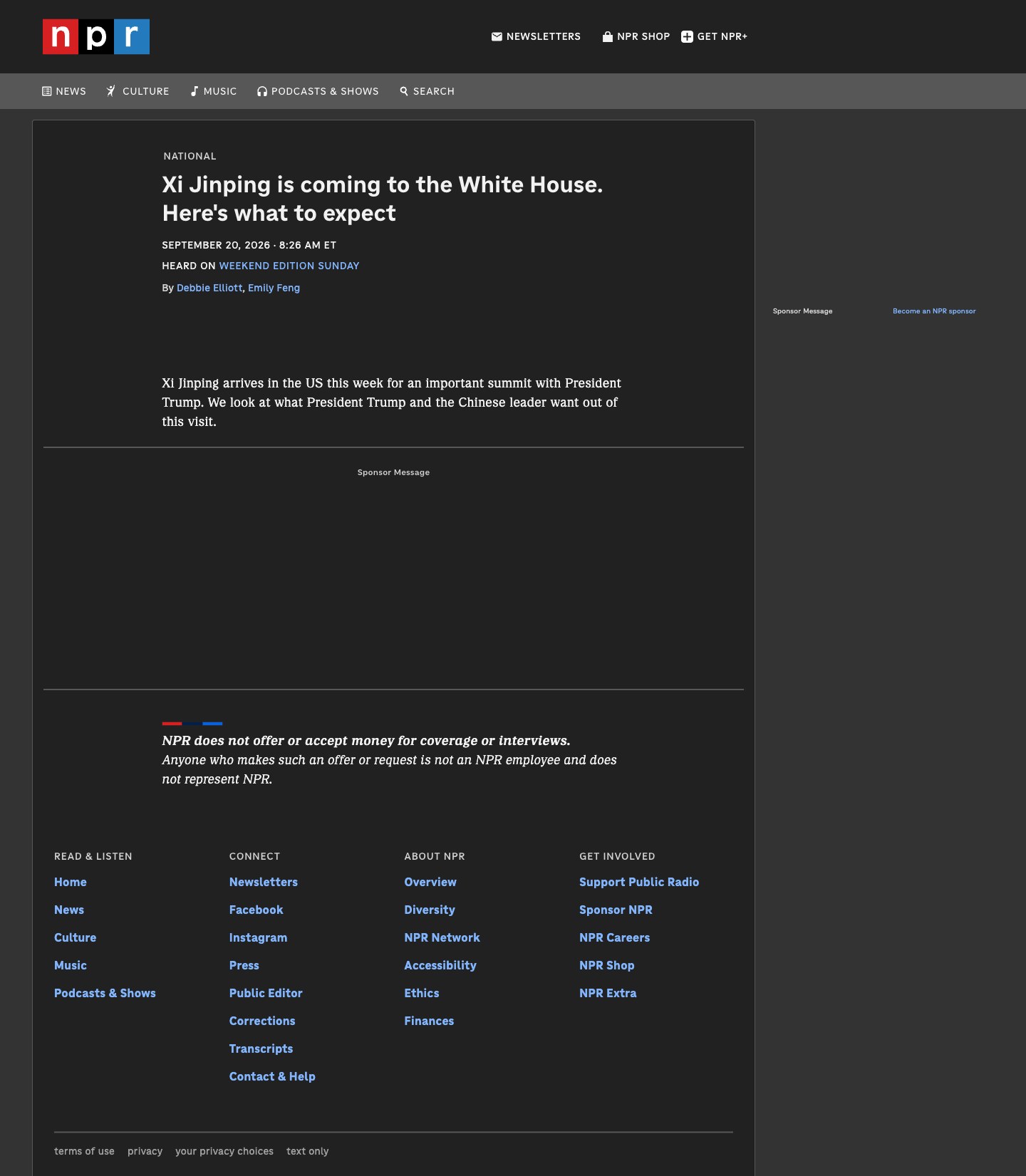 | author: | Debbie Elliott, Emily Feng | institution: | NPR | ¿porque no los dos? |
| tl;dr | The screenshot presents a brief preview of an anticipated White House summit between Chinese leader Xi Jinping and President Donald Trump. Dated September 20, 2026, it says Xi will arrive in the United States that week and promises to examine both leaders’ goals. The visible text does not actually describe those goals, provide supporting sources, or explain the summit’s agenda. | ||||
| deeper: | The visible wording treats both leaders neutrally and gives neither side preferential treatment. Calling the summit “important” adds mild emphasis, not clear political bias. Quality is limited by the extremely short excerpt: the headline promises expectations, but no substantive analysis, sourcing, or agenda appears. These scores apply only to the visible material, not any accompanying broadcast. The screenshot alone cannot establish the authenticity of the page or confirm the reported visit. | ||||
media: | |||||
| gen: 2026/09/19:21:46 in 25.6 sec (old)bias: 3 (Center) |
| type: newsquality: 76 |
| pts: 0 |
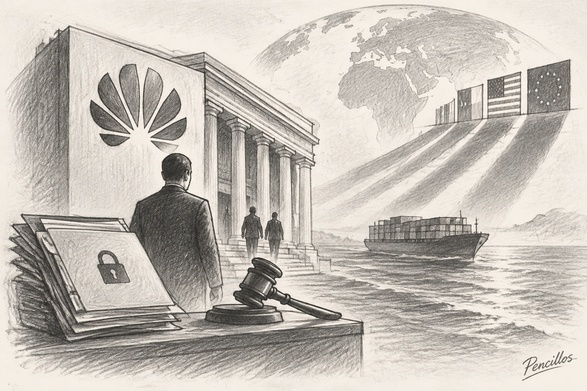
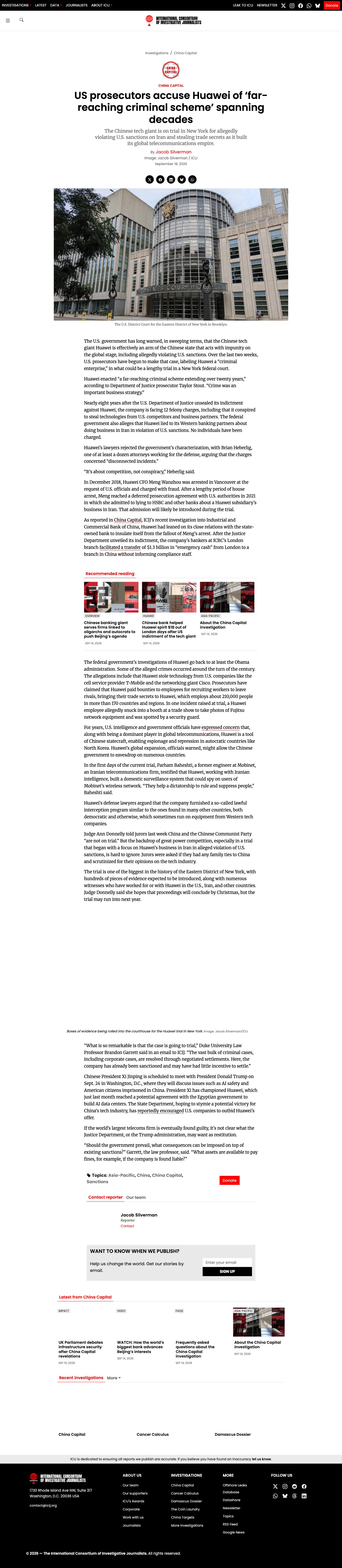 | author: | Jacob Silverman | institution: | International Consortium of Investigative Journalists (ICIJ) | ¿porque no los dos? |
| tl;dr | The article reports on Huawei’s New York federal trial over alleged trade-secret theft, bank deception and violations of U.S. sanctions on Iran. Prosecutors describe a decades-long criminal scheme; Huawei’s lawyers characterize the accusations as disconnected incidents and legitimate competition. The report also covers testimony about surveillance technology in Iran, Huawei’s banking relationships and U.S.–China technology rivalry. A legal expert questions what additional penalties could accomplish given existing sanctions. No verdict is reported. | ||||
| deeper: | The headline accurately attributes its strong accusation, and the article includes defense arguments, named sources and independent legal commentary. However, prosecution claims and national-security concerns dominate, giving Huawei’s alleged wrongdoing greater emphasis than its rebuttals. This is a prosecution-leaning frame, not a clear left–right position. Historical context adds value, but “No individuals have been charged” needs qualification given the later account of Meng’s charges. The sweeping claim about the trial’s historic size is unsupported, and the screenshots alone cannot verify the reported proceedings. | ||||
media: | |||||
| gen: 2026/09/18:18:42 in 31.0 secbias: 2 (Center) |
| type: colorquality: 82 |
| pts: 0 |
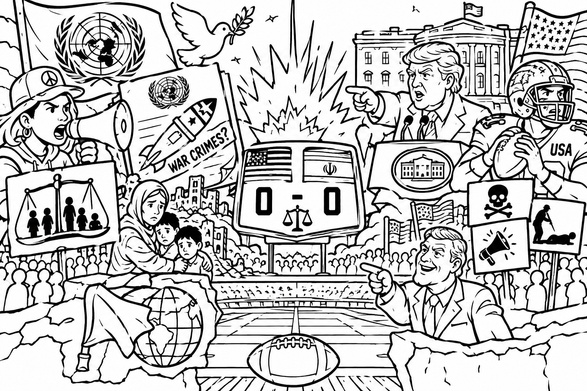
#war crimes#international la#human rights#u.s. politics#iran conflict#iran#united states#united nations#israel#minab#lamerd city stri
Leftist
The U.N. report drops a bombshell bigger than any Tomahawk, accusing the U.S. of potential war crimes in Iran. This is like a penalty flag thrown on the field of global justice, demanding accountability for everyone. Civilian losses exceed a hundred, mostly women and children, in strikes in Minab. It's a brutal reminder that the world is less like a fair game and more like an unfair fight. Both the U.S. and Iran must pay reparations; it's time to share the scoreboard of responsibility.
Rightist
Hold onto your seats, folks! The U.N. expert team just tried a Hail Mary against the U.S., claiming war crimes in Iran. But the White House fires back like John Elway in overtime, denying the accusations and pointing fingers at Iran's horrific track record. They've been executing and terrorizing without remorse. In the geopolitical field, the U.S. remains the quarterback, defending democracy while facing flags that seem more about sensationalism than fairness.
 | author: | The Associated Press | institution: | NPR | ¿porque no los dos? |
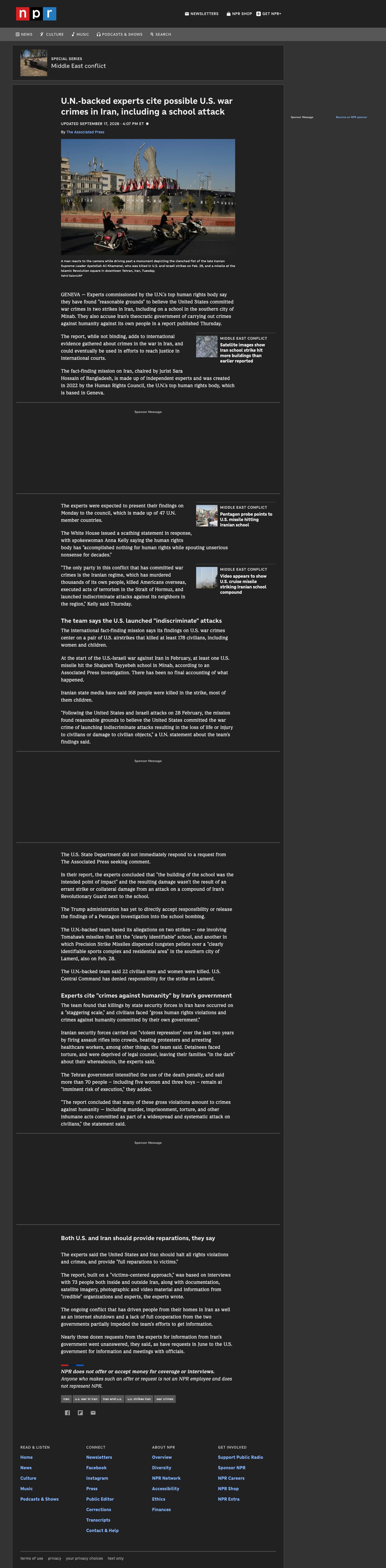
| tl;dr | The article reports that U.N.-commissioned experts found reasonable grounds to suspect U.S. war crimes in two strikes in Iran, including an attack on a school in Minab. The same report accuses Iranian authorities of crimes against humanity through killings, torture and repression. U.S. officials reject the allegations. Experts call for reparations from both governments. Their findings draw on interviews and visual evidence, but information gathering was hindered by conflict, internet restrictions and government noncooperation. The report is not a binding judicial ruling. | ||||
| deeper: | The article emphasizes civilian protection and legal accountability without clearly endorsing a partisan position. It attributes allegations, includes substantial U.S. rebuttals, covers Iranian abuses and explains investigative limitations. Strong wording largely comes from identified sources. Its main weaknesses are reliance on one investigative report, limited explanation of evidence establishing targeting responsibility, and no direct Iranian response. Different casualty figures are attributed but not reconciled. These scores assess the supplied text; the screenshots alone do not authenticate its reporting. | ||||
media: | |||||
| gen: 2026/09/11:15:43 in 31.8 sec (old)bias: 3 (Center) |
| type: newsquality: 68 |
| pts: 0 |
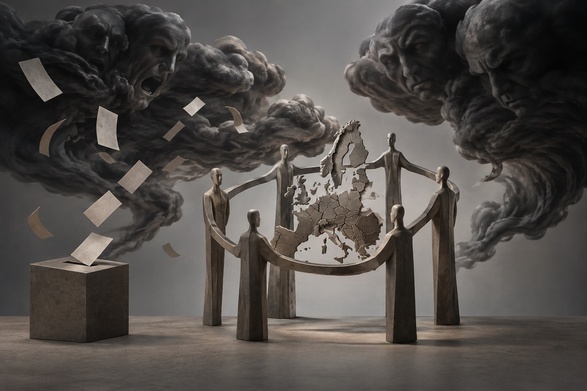
#europe#politics#elections#extremism#diplomacy#luc frieden#luxembourg#european union#ukraine#united states#diplomacy ha
 | author: | Armen Georgian | institution: | France 24 | ¿porque no los dos? |
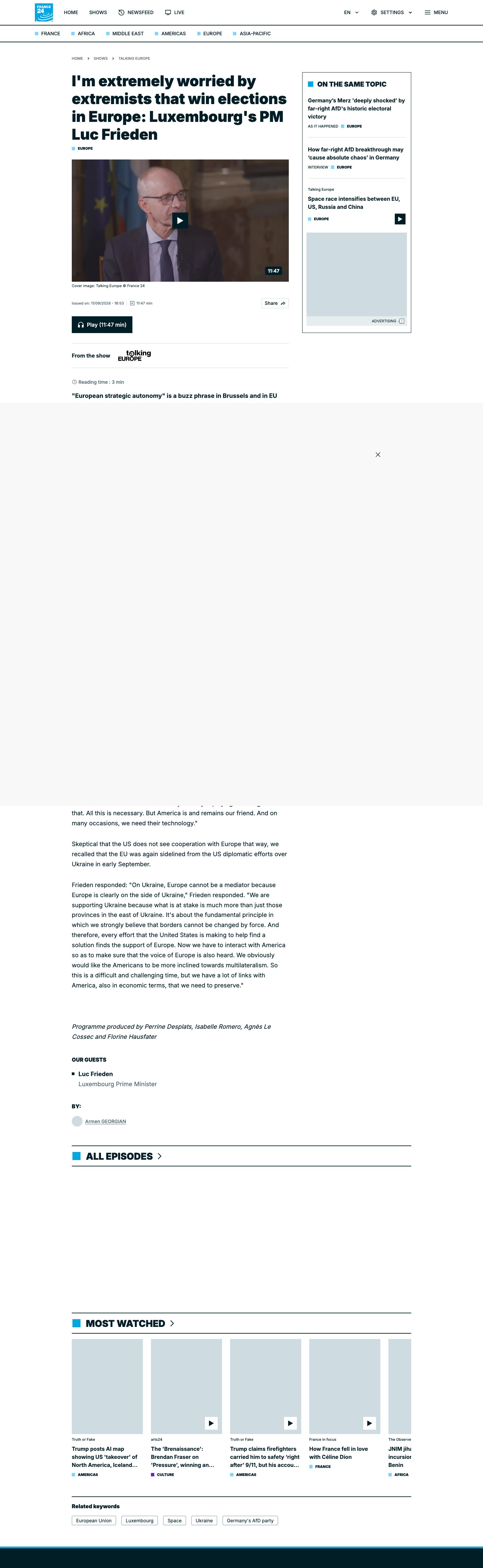
| tl;dr | Luxembourg Prime Minister Luc Frieden warns about extremists winning European elections. In the visible interview excerpts, he supports Ukraine, argues that borders must not be changed by force, and advocates preserving economic and technological ties with the United States. The interviewer questions whether Washington treats Europe as a genuine diplomatic partner. Frieden calls for Europe's voice to be heard while maintaining transatlantic cooperation. Much of the article's middle section is obscured in the supplied images. | ||||
| deeper: | The visible text emphasizes European cooperation, multilateral diplomacy and transatlantic ties—positions spanning the political center. The emotionally charged headline is clearly attributed to Frieden rather than presented as the reporter's judgment. Direct quotations and a skeptical question provide useful firsthand reporting, but the excerpt largely conveys one leader's perspective without independent corroboration. A repeated attribution suggests minor editing weakness. These scores are provisional because substantial text is obscured and the video cannot be assessed from screenshots. | ||||
media: | |||||
| gen: 2026/09/09:15:21 in 42.7 sec (old)bias: 2 (Center) |
| type: newsquality: 55 |
| pts: 0 |

 | author: | Unknown | institution: | France 24 | ¿porque no los dos? |
| tl;dr | A France 24 page/headline reports that Iran said it fired ballistic missiles at a US base in Jordan early Wednesday, describing it as retaliation for US strikes on Iranian tankers. The visible page is mostly the headline, timestamp, and a short standfirst; the remainder of the article text is not shown in the provided images. | ||||
| deeper: | The framing is largely straight-news: it attributes key claims (“Iran said…”, “in retaliation…”) and avoids loaded language in the limited visible text. However, only a small excerpt is available, with no sourcing detail, corroboration, casualty/damage reporting, or competing accounts from the US/Jordan, which limits verification and overall informational value in this capture. | ||||
media: | |||||
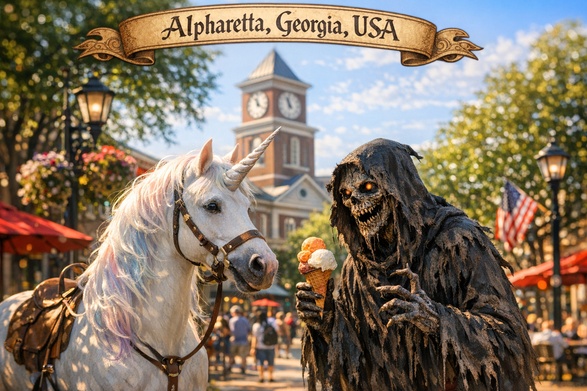
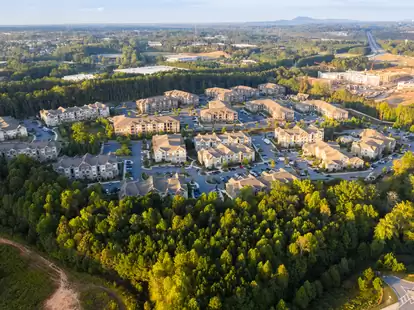
| gen: 2026/08/24:16:50 in 1 min 17.0 sec🌎: 34.08, -84.29 |
| type: geoname: Alpharetta, Georgia, USA |
| pts: 0confidence level: 30% |
| gen: 2026/07/31:00:35 in 5 min 6.6 sec (old)bias: 3 (Center) |
| type: lolsquality: 78 |
| pts: 0 |
 | author: | Unknown | institution: | Unknown | ¿porque no los dos? |
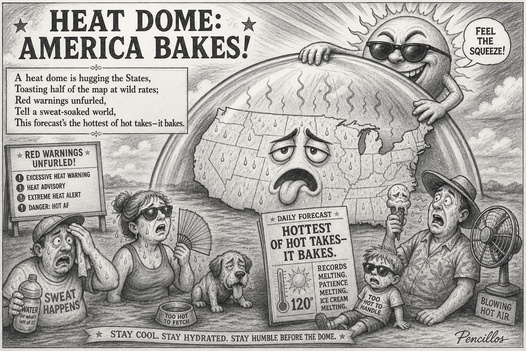
| tl;dr | The article argues that England is “water-poor” and increasingly vulnerable to drought, highlighting how low storage capacity, population growth, climate change, and aging infrastructure (including leakage) strain supplies. It points to recent or anticipated restrictions (e.g., hosepipe bans) and critiques long-term planning and investment in reservoirs and water networks. The piece frames drought risk as partly structural and policy-driven, not just a short-term weather problem, and calls for more resilient water management. | ||||
| deeper: | The framing is largely evidence-based and focused on system capacity, infrastructure, and climate pressures, with mild advocacy for stronger planning/investment. It uses a problem–cause–solution structure that can subtly steer readers toward policy remedies, but it does not read like partisan messaging. Quality appears solid: it’s coherent, explanatory, and oriented around broader context rather than outrage. Limits: the screenshot format makes it hard to verify all sourcing, data precision, and whether counterarguments (e.g., cost tradeoffs) are fully developed. | ||||
media: | |||||
| gen: 2026/07/24:02:46 in 54.5 sec (old)bias: 2 (Center) |
| type: newsquality: 78 |
| pts: 0 |
 | author: | Unknown | institution: | Reuters (via Yahoo Finance) | ¿porque no los dos? |
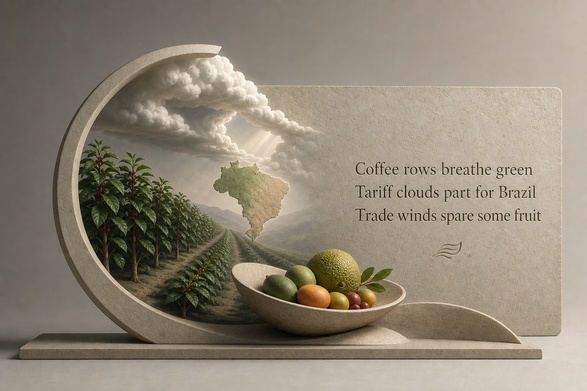
| tl;dr | A Reuters report on Yahoo Finance says Brazil’s trade minister expects about 2,000 Brazilian export products to be exempted from newly announced U.S. tariffs, though some key items (like steel) will still face duties. The piece frames the move as part of the U.S. response to alleged unfair trade practices and notes uncertainty about how broadly exemptions will apply. | ||||
| deeper: | Content: The story’s core claim is that Brazil expects roughly 2,000 products to be exempt from the latest U.S. tariffs, based on statements from Brazil’s Trade and Industry Minister Marcio Elias Rosa. It adds context that Brazil is among countries affected by a 12.5% tariff, and that the U.S. move introduces an additional 25% tariff on several Brazilian products. It also notes category differences (e.g., steel likely subject to both tariffs; other goods potentially only 12.5%). Bias: The tone is largely straight, attribution-heavy, and matter-of-fact, consistent with a wire-service report. It does include the U.S. justification (“alleging unfair trade practices”) and relies heavily on Brazilian officials for the exemption expectation, which could slightly tilt toward Brazil’s perspective on what will happen, but the article signals uncertainty rather than presenting the exemption as settled fact. Quality: Strong on clarity and basic context, with clear attribution and concrete figures (2,000 products; 12.5% and 25% tariff rates). Limitations: it appears brief and does not fully detail which product categories are exempt, the formal U.S. legal mechanism for exemptions, or quote U.S. officials/primary documents in the portion shown. That makes it solid breaking-news quality but not deeply explanatory. | ||||
media: | |||||
| gen: 2026/07/21:05:46 in 1 min 9.4 sec (old)bias: 7 (Center-Left) |
| type: newsquality: 30 |
| pts: 0 |
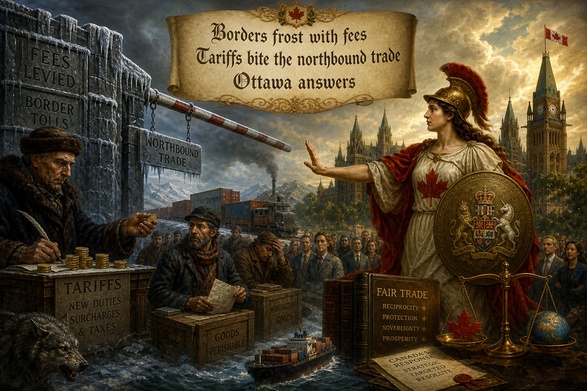
 | author: | Unknown | institution: | FRANCE 24 | ¿porque no los dos? |
| tl;dr | The article reports that Donald Trump signed an order to impose new 50% tariffs on a range of Canadian goods, citing Canadian “discriminatory treatment.” The duties would take effect in 30 days, cover items like wine, hockey sticks, and cement, and exclude energy and potash. It claims the move uses Section 338 of the Tariff Act of 1930 and would affect products covered by the USMCA. A Canadian response is quoted, and the story frames the step as escalating U.S.–Canada trade tensions. | ||||
| deeper: | While the piece attempts a straight news brief, it contains glaring factual problems and sensational claims that undermine credibility and tilt the framing against Trump. Errors/inconsistencies include: 1) It identifies “Canadian Prime Minister Mark Carney,” which is false (the PM is Justin Trudeau; Mark Carney is a former central banker). 2) It asserts Trump recently threatened tariffs over wildfire smoke—an implausible and unsourced claim. 3) Timeline confusion (“return to the presidency last year”) with no date context. 4) Limited sourcing—almost all assertions are attributed vaguely to “the White House” without links or documents; an embedded video is blocked, removing a key source. 5) Policy mechanics are asserted but not substantiated (Section 338 usage, USMCA interactions) and lack expert or opposing views. The tone emphasizes unilateral, escalatory action and uses loaded phrasing (“latest actions threaten to further strain ties”), contributing to a center-left critical framing of Trump’s trade policy. Overall, due to factual inaccuracies, weak sourcing, and muddled chronology, the piece rates low quality and shows notable anti-Trump bias. | ||||
media: No Media Preview | |||||
| gen: 2026/07/18:01:32 in 2 min 24.0 sec (old)bias: 2 (Center) |
| type: newsquality: 84 |
| pts: 0 |
 | author: | Unknown | institution: | BBC News | ¿porque no los dos? |
| tl;dr | BBC News reports that the US has carried out air strikes on Iranian-linked targets for a seventh straight night. The piece attributes claims to US military officials, references the IRGC, mentions reported damage and casualties, and includes reactions from Iran-aligned groups and regional governments. It notes uncertainty over casualty numbers and emphasizes the limited military objectives stated by US officials. | ||||
| deeper: | The article relies on official statements and clearly attributes claims to sources, avoiding emotive language. It includes perspectives from multiple sides (US military, Iran-linked groups, Iraq/Syria context, White House) and acknowledges uncertainty about casualties and targets—markers of balanced reporting. The headline is factual and proportional. Quality is strong: concise context, multiple sources, and caveats. Minor gaps include limited independent verification from the strike sites and few on-the-ground voices, which slightly lowers the quality score. | ||||
| gen: 2026/07/15:04:15 in 1 min 4.4 sec (old)bias: 3 (Center) |
| type: newsquality: 63 |
| pts: 0 |
#middle east#conflict#iran#oil#united states#strait of hormuz#donald trump#military strikes#naval blockade
 | author: | NPR Staff; reporting by Hadeel Al-Shalchi, with contributions from Emily Feng and Alex Leff | institution: | NPR | ¿porque no los dos? |
| tl;dr | NPR reports that the United States conducted additional strikes against Iran after President Trump announced a renewed blockade of Iranian shipping through the Strait of Hormuz and a 20% toll on other commercial vessels using the route. The article describes Iranian and U.S. exchanges of attacks, disputed claims over control of the strait and alleged violations of a prior memorandum, statements by Iran’s new supreme leader, international calls for de-escalation, and resulting increases in oil prices and shipping disruptions. The screenshot is dated July 13, 2026, and presents the report as a developing story. | ||||
| deeper: | The article is relatively restrained and attributes major claims to identifiable sources, including U.S. Central Command, President Trump, Iranian officials, the United Nations and market-data providers. It includes statements from both the U.S. and Iran and notes disputed claims rather than presenting every assertion as established fact. Its main framing emphasizes escalation, risks to civilians and commercial shipping, diplomatic uncertainty, and economic consequences, which gives the report a cautious anti-war tone without strongly advocating a political position. Quality is reduced because the article is heavily dependent on official statements, offers little independent verification of battlefield claims, provides no casualty figures or detailed legal analysis of the blockade and strikes, and gives limited historical or strategic context. The future-dated 2026 report and extraordinary claims—such as a new Iranian supreme leader and a renewed U.S. war—also cannot be independently validated from the image alone. | ||||
media: No Media Preview | |||||
| gen: 2026/07/15:04:12 in 1 min 4.9 sec (old)bias: 3 (Center) |
| type: newsquality: 28 |
| pts: 0 |
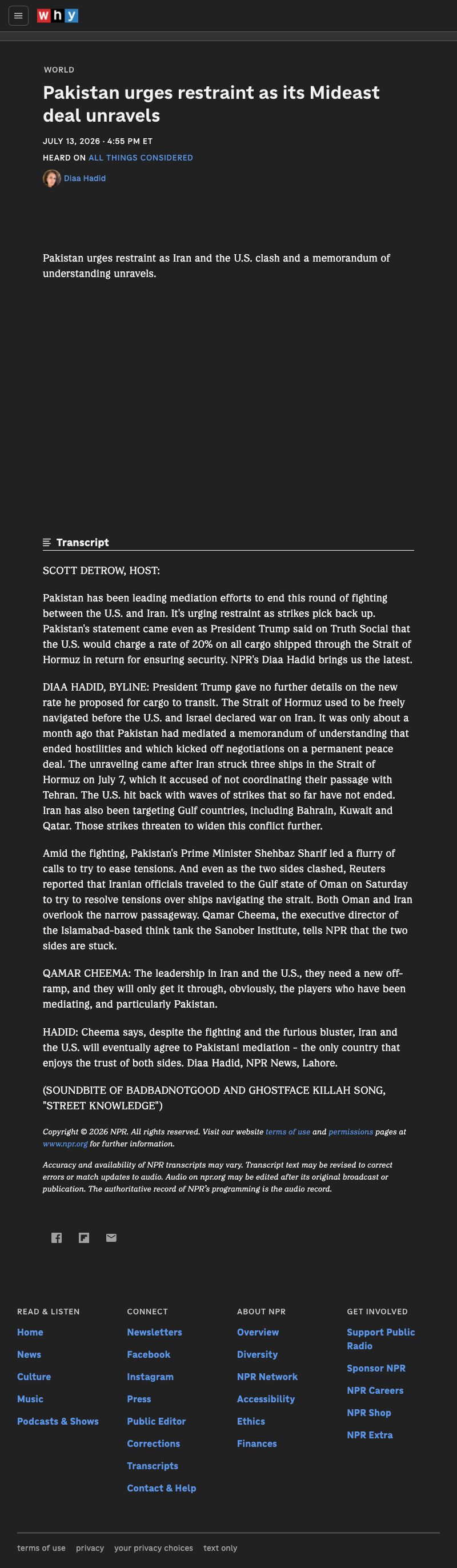 | author: | Dyaa Hadid | institution: | NPR | ¿porque no los dos? |
| tl;dr | The image shows an apparent NPR transcript dated July 13, 2026, about Pakistan attempting to mediate an escalating conflict between Iran and the United States. It says President Trump proposed a 20% charge on cargo passing through the Strait of Hormuz, while Iran and the U.S. exchanged attacks and Pakistan sought to restore negotiations. However, the item contains major credibility concerns: it is dated in the future, provides little supporting detail, and describes extraordinary geopolitical events without sufficient sourcing or corroboration. | ||||
| deeper: | The presentation is relatively restrained and news-oriented. It attributes claims to NPR reporters, Reuters, President Trump’s Truth Social account, and a Pakistani think-tank analyst, and it avoids overtly partisan language. The emphasis on diplomacy and restraint may modestly favor a conflict-de-escalation perspective, but there is no clear left- or right-wing framing. Quality is substantially reduced by the apparent future date, the absence of links or detailed evidence, and the extraordinary claims that the U.S. and Israel declared war on Iran, that Iran attacked Gulf states, and that the U.S. proposed a 20% Strait of Hormuz cargo charge. The transcript also does not explain the alleged memorandum, identify the ships involved, provide official statements, or give enough context to independently evaluate the claims. The NPR branding and polished formatting could be genuine, but the image alone cannot authenticate the article and may depict fabricated or altered content. | ||||
media: No Media Preview | |||||
| gen: 2026/07/13:13:39 in 1 min 33.2 sec (old)bias: 4 (Center-Left) |
| type: lolsquality: 56 |
| pts: 0 |
#middle east#iran#us military#military strikes#geopolitics#united states#strait of hormuz#gulf states#israel#west bank
 | author: | NPR Staff | institution: | NPR | ¿porque no los dos? |
| tl;dr | This NPR article reports an escalating U.S.-Iran conflict involving strikes, attacks on Gulf states, and an alleged closure of the Strait of Hormuz. It presents competing claims from U.S., Iranian, regional, and international sources, mentions diplomatic efforts, and briefly adds a related report about threats faced by Rep. Ro Khanna in the West Bank. However, the article contains significant chronological inconsistencies and relies heavily on official statements without independently verified details about casualties, damage, or the alleged agreement. | ||||
| deeper: | The article generally uses attribution and includes statements from both U.S. and Iranian officials, as well as regional governments, the United Nations, and mediators. Its language is mostly descriptive rather than overtly argumentative. The emphasis on Palestinian displacement, Israeli settler violence, and Rep. Khanna's allegations gives the later portion a somewhat center-left framing, although the main conflict coverage remains relatively balanced. Quality is reduced by major apparent timeline problems: the story says the latest strikes began Saturday, then later says the latest round started Wednesday; it alternates between Saturday, Sunday, and Monday without clearly establishing the chronology; and it provides few independently confirmed facts about damage, deaths, or the reported negotiations. Much of the article is based on claims from military and state media sources, with limited corroboration. The displayed July 2026 date also places the report in a future context that cannot be independently assessed from the image alone. | ||||
media: No Media Preview | |||||
You made it to the bottom. Now dance!


owned and operated by: RPN Omnigalactic Insitutution as of: 2026/10/14: 13:26 in 0 ms
Enter Code
Login with Account